
Wet wash vs. dry wash—what's safer for paint and brightwork?
Both wet wash and dry wash methods are safe when performed correctly, but they serve different purposes. Wet wash is the gold standard for removing heavy contamination—bugs, exhaust, oil, and grime—using water and aviation-approved soap to lubricate and lift debris safely. Dry wash uses waterless cleaners with encapsulating polymers to safely remove light dust and contamination when water access is limited. For brightwork, wet wash with proper drying is generally preferred as it allows thorough rinsing of polish residue. The key is matching method to contamination level and using proper technique regardless of which you choose.
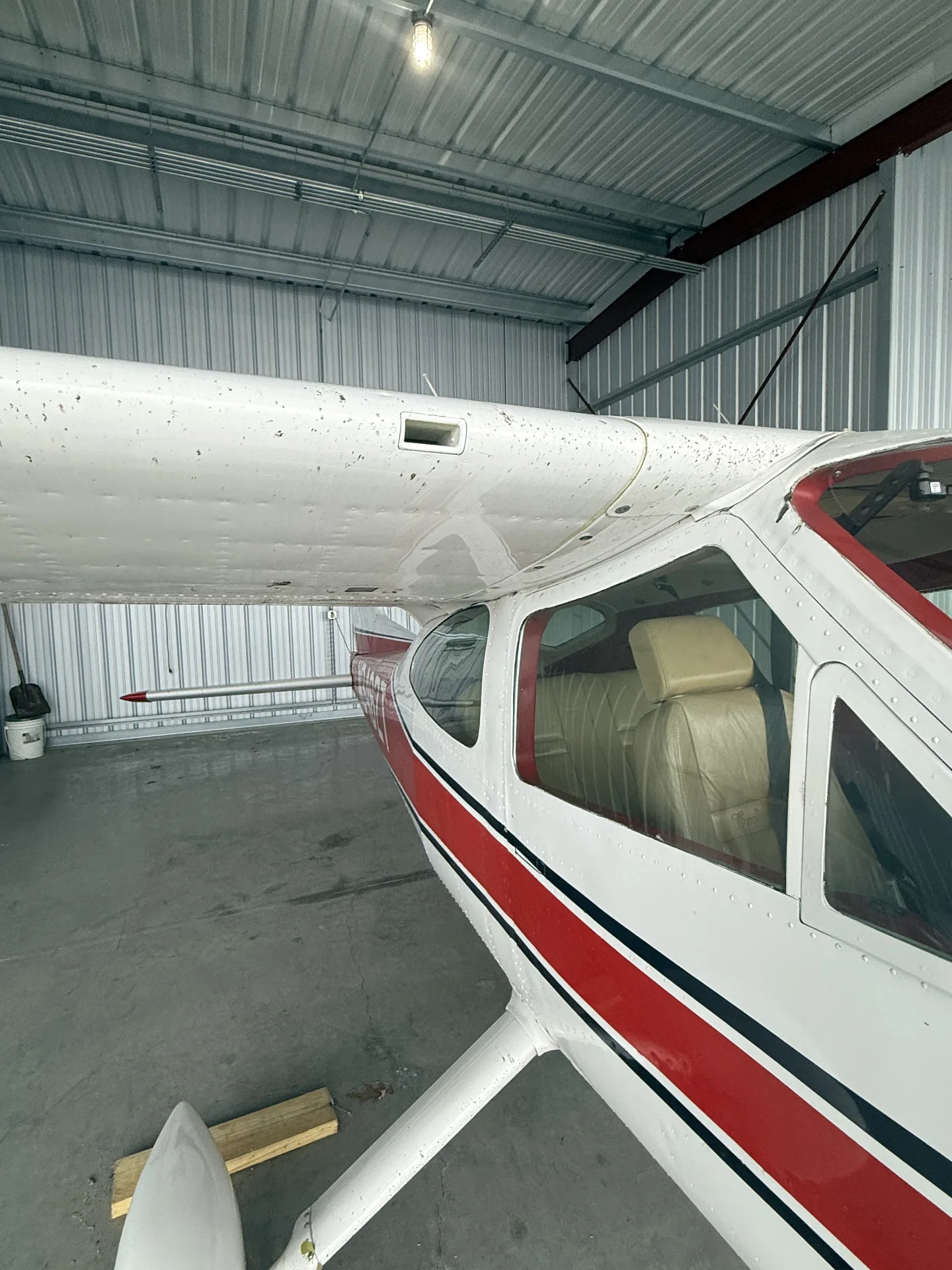
Before
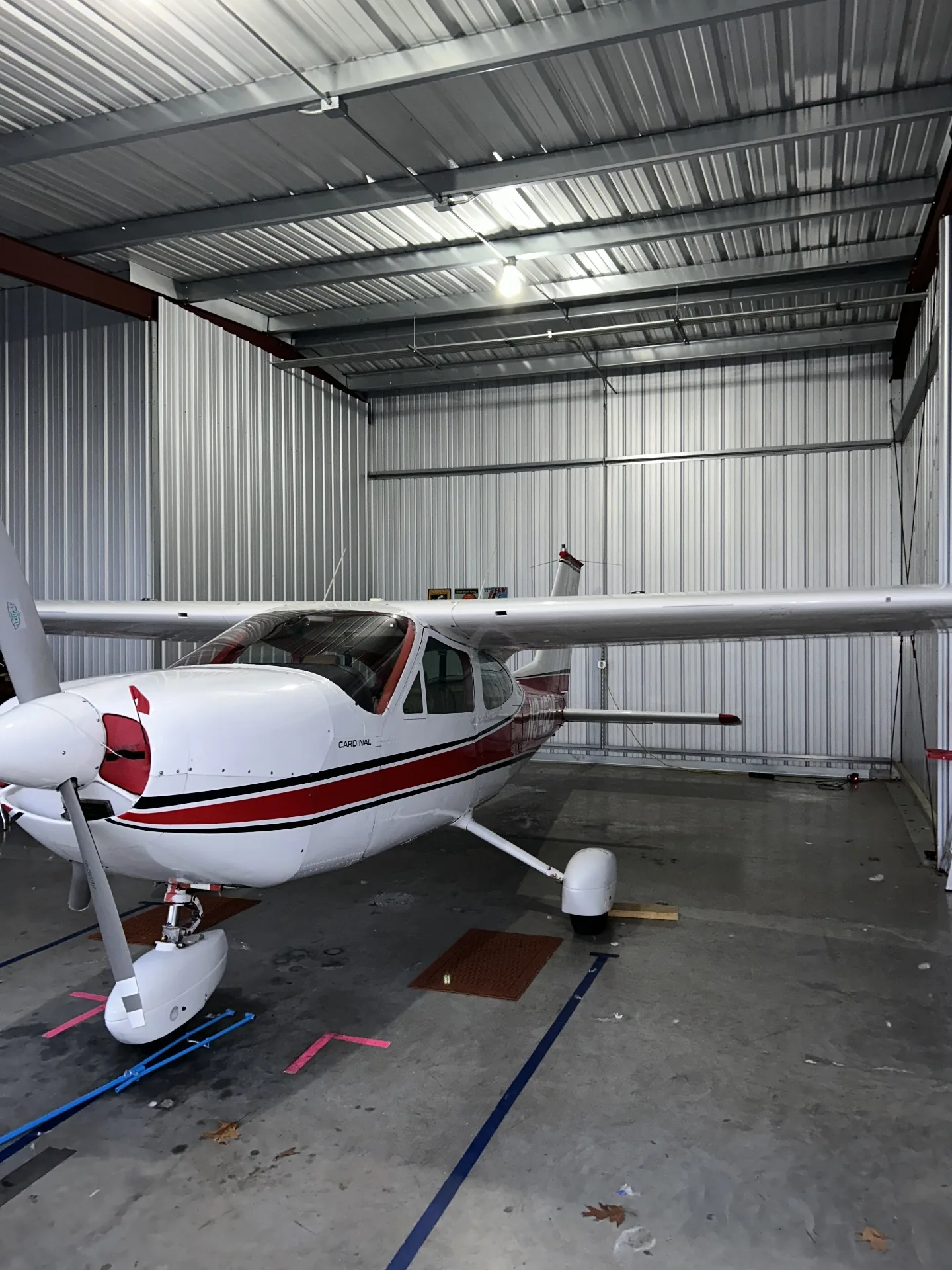
After
What It Is
Wet washing involves pre-soaking the aircraft, applying diluted aviation soap, agitating with soft microfiber mitts or brushes, and thoroughly rinsing with clean water. Dry washing uses spray-on waterless wash products containing lubricating polymers that encapsulate dirt particles, allowing safe wipe-off with microfiber towels. Both methods require specific techniques: wet wash demands proper water pressure, temperature, and complete drying; dry wash requires fresh towels for each panel and light pressure to avoid scratching.
Why It Matters
Using the wrong method for the contamination level causes paint damage. Dry washing heavy contamination grinds particles into clear coat, creating swirl marks and micro-scratches. Conversely, wet washing in freezing conditions or without proper drying creates water spot etching and mineral deposits. Brightwork is particularly sensitive—trapped water under polish causes oxidation, while aggressive dry wiping scratches polished surfaces. Understanding when to use each method protects your paint investment and maintains that showroom appearance that affects resale value.
Owner Checklist
- ✓Assess contamination level before choosing wash method
- ✓Use wet wash for bugs, exhaust, oil, or heavy dirt accumulation
- ✓Use dry wash only for light dust on relatively clean aircraft
- ✓Ensure water access and drainage for wet wash locations
- ✓Stock aviation-approved products for both methods
- ✓Use fresh microfiber towels—never reuse dirty ones
- ✓Dry thoroughly after wet wash to prevent water spots
- ✓Protect brightwork with appropriate post-wash treatment
Time & Cost
Typical Time
Wet: 3-6 hours | Dry: 1-3 hours
Cost Range
Wet: $300-1,200 | Dry: $150-600
Wet wash costs more due to water access requirements, longer time, and drying process. Dry wash is faster but limited to light contamination. Many operators use dry wash between full wet washes to maintain appearance affordably.
Risks To Avoid
- ⚠Never dry wash heavy contamination—scratching is guaranteed
- ⚠Don't skip the pre-soak on wet wash—lubrication prevents scratches
- ⚠Avoid wet wash in direct sunlight—products dry too fast and spot
- ⚠Never use the same towel section twice in dry wash
- ⚠Don't wet wash brightwork without immediate drying—water spots form
- ⚠Skip the pressure washer close-up—paint delamination occurs
Airports We Serve
CleanJets connects you with professional detailing specialists at airports in Missouri, Florida, New England:
St. Louis Lambert
SUSSpirit of St. Louis
MCIKansas City Intl
MKCKC Downtown
SGFSpringfield-Branson
COUColumbia Regional
JEFJefferson City Memorial
BKGBranson Airport
CGICape Girardeau Regional
SUAWitham Field
FPRTreasure Coast Intl
VRBVero Beach Regional
DJTPalm Beach (President Donald J. Trump Intl, formerly PBI)
LNAPalm Beach County Park
BCTBoca Raton
FLLFort Lauderdale-Hollywood Intl
FXEFort Lauderdale Executive
PMPPompano Beach Airpark
OPFMiami-Opa Locka Executive
TMBMiami Executive
MIAMiami Intl
EYWKey West Intl
MTHFlorida Keys Marathon Intl
APFNaples
RSWSouthwest Florida Intl
FMYPage Field
PGDPunta Gorda
VNCVenice Municipal
SRQSarasota Bradenton Intl
MLBMelbourne Orlando Intl
TIXSpace Coast Regional
DABDaytona Beach Intl
ORLOrlando Executive
MCOOrlando Intl
SFBOrlando Sanford Intl
ISMKissimmee Gateway
HVNTweed New Haven
BEDHanscom Field
BOSBoston Logan Intl
MVYMartha's Vineyard
OWDNorwood Memorial
BVYBeverly Regional
PVDRhode Island T. F. Green Intl
BDLBradley Intl
PWMPortland Intl Jetport
MHTManchester-Boston Regional
Related Services
Looking for professional help? CleanJets connects you with experienced specialists for these services:
Ready for Professional Aircraft Detailing?
Connect with experienced specialists who understand your aircraft's specific needs.
Frequently Asked Questions
Is dry wash actually safe for aircraft paint?
Yes, when used correctly on light contamination. Quality waterless wash products contain polymers that encapsulate dirt particles, preventing them from scratching during wipe-off. The key is using light pressure, fresh towel sections, and only using dry wash when contamination is minimal.
Which method is better for brightwork?
Wet wash is generally preferred for brightwork because it allows thorough rinsing of any polish residue or contamination from crevices. After wet washing brightwork, immediate drying and application of protective polish prevents water spotting and oxidation.
Can I combine wet and dry wash in one session?
Yes, this is actually common practice. Many detailers wet wash the lower fuselage, belly, and heavily contaminated areas while dry washing the upper surfaces that typically have only light dust. This saves time while ensuring appropriate treatment for each area.
How do I choose between wet and dry wash for a quick-turn?
For quick-turns under 2 hours, dry wash is usually the only option—there's no time for proper wet wash and drying. However, spot-treat any heavy contamination like bugs with wet methods, then dry wash the rest. Communicate limitations to the aircraft owner.