
How do you remove bugs, tar, soot, exhaust staining without damaging paint?
Safe contamination removal requires matching technique to contaminant type and acting quickly. Bugs: pre-soak with dedicated bug remover for 5-10 minutes, then gently wipe with wet microfiber—never scrub dry bugs. Tar/sap: apply tar remover, let dwell 2-3 minutes, wipe away—don't rub aggressively. Soot: wet wash with aviation soap first, then clay bar if bonded. Exhaust staining: dedicated exhaust remover with dwell time, followed by polish if oxidized into paint. The universal rules: work in shade, keep surfaces wet, use dwell time rather than elbow grease, and address contamination within 48-72 hours before it bonds permanently.
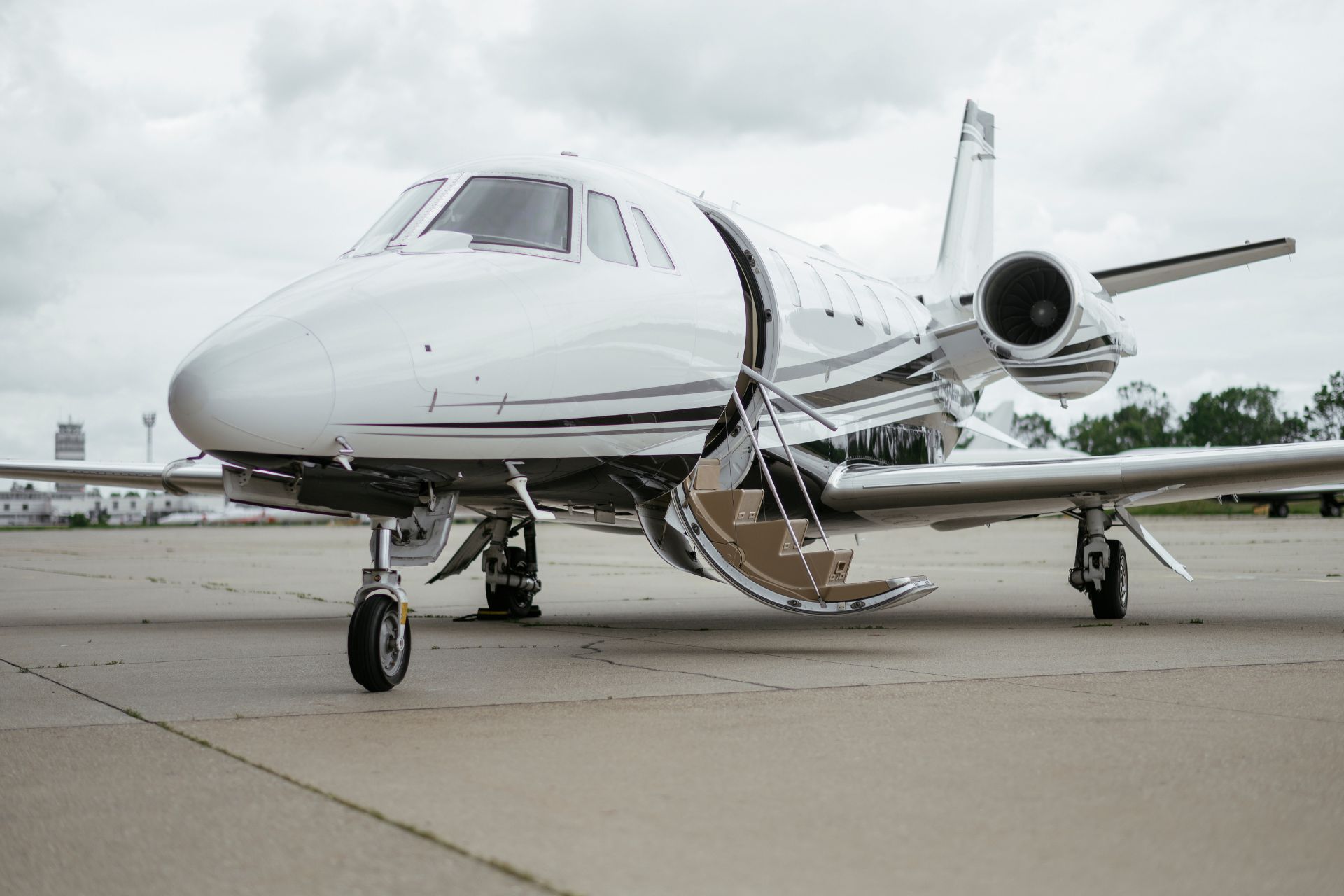
Before
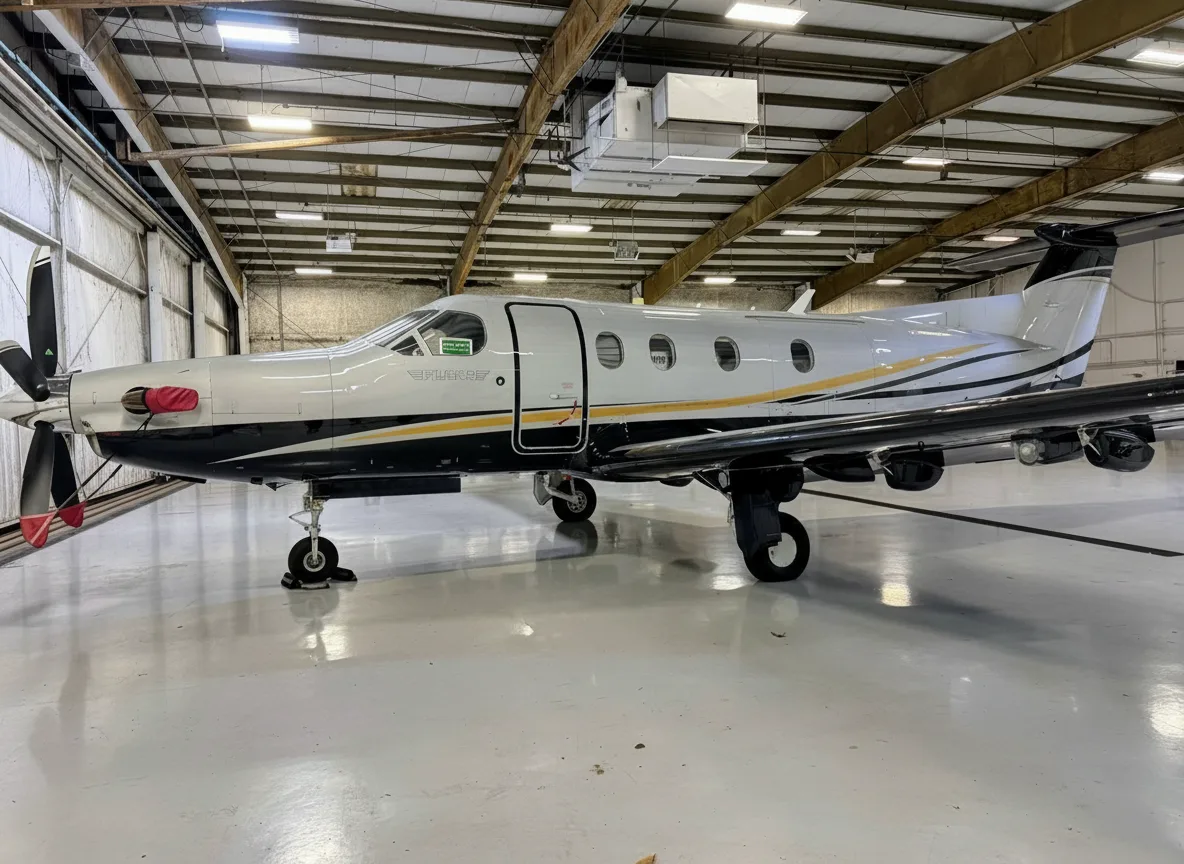
After
What It Is
Different contamination types require different chemistry. Bug removers contain enzymes that break down organic proteins. Tar removers use mild solvents that dissolve petroleum-based contamination. Soot cleaners are typically alkaline to emulsify carbon particles. Exhaust stain removers address the metal oxides and carbon deposits unique to jet and piston exhaust. Clay bars physically lift bonded contamination through mechanical action. Professional detailers select products and techniques based on contamination type for effective, safe removal.
Why It Matters
Bug acids begin etching paint within 48-72 hours of contact. Tree sap hardens and bonds within days. Exhaust staining oxidizes into paint if not addressed, requiring polish to remove rather than simple washing. Tar left too long penetrates clear coat. The longer contamination sits, the more aggressive removal becomes—and aggressive removal risks paint damage. Prompt, proper treatment preserves paint condition and appearance while minimizing removal effort and risk.
Owner Checklist
- ✓Address bug contamination within 48 hours of flight
- ✓Stock dedicated removal products for each contamination type
- ✓Pre-soak before wiping—never scrub dry
- ✓Use microfiber only—never paper towels or shop rags
- ✓Work in shade to prevent premature product drying
- ✓Test products in inconspicuous areas first
- ✓Follow up with wash and protection after spot treatment
- ✓Document recurring staining patterns for maintenance planning
Time & Cost
Typical Time
Spot treatment: 15-30 min | Full decontamination: 1-3 hours
Cost Range
DIY products: $20-50 | Professional decontamination: $200-600
Regular quick treatments cost far less than intensive restoration after contamination has bonded. Professional clay bar decontamination adds value before polishing or coating applications. Prevention through regular washing is the most economical approach.
Risks To Avoid
- ⚠Never scrub dry bugs—spreading and scratching result
- ⚠Don't let contamination sit beyond 48-72 hours
- ⚠Avoid aggressive scrubbing—let chemistry do the work
- ⚠Never use household solvents—damage to paint and plastics
- ⚠Don't work in direct sunlight—products dry and leave residue
- ⚠Skip the pressure washer for spot treatment—damage risk is high
Airports We Serve
CleanJets connects you with professional detailing specialists at airports in Missouri, Florida, New England:
St. Louis Lambert
SUSSpirit of St. Louis
MCIKansas City Intl
MKCKC Downtown
SGFSpringfield-Branson
COUColumbia Regional
JEFJefferson City Memorial
BKGBranson Airport
CGICape Girardeau Regional
SUAWitham Field
FPRTreasure Coast Intl
VRBVero Beach Regional
DJTPalm Beach (President Donald J. Trump Intl, formerly PBI)
LNAPalm Beach County Park
BCTBoca Raton
FLLFort Lauderdale-Hollywood Intl
FXEFort Lauderdale Executive
PMPPompano Beach Airpark
OPFMiami-Opa Locka Executive
TMBMiami Executive
MIAMiami Intl
EYWKey West Intl
MTHFlorida Keys Marathon Intl
APFNaples
RSWSouthwest Florida Intl
FMYPage Field
PGDPunta Gorda
VNCVenice Municipal
SRQSarasota Bradenton Intl
MLBMelbourne Orlando Intl
TIXSpace Coast Regional
DABDaytona Beach Intl
ORLOrlando Executive
MCOOrlando Intl
SFBOrlando Sanford Intl
ISMKissimmee Gateway
HVNTweed New Haven
BEDHanscom Field
BOSBoston Logan Intl
MVYMartha's Vineyard
OWDNorwood Memorial
BVYBeverly Regional
PVDRhode Island T. F. Green Intl
BDLBradley Intl
PWMPortland Intl Jetport
MHTManchester-Boston Regional
Related Services
Looking for professional help? CleanJets connects you with experienced specialists for these services:
Ready for Professional Aircraft Detailing?
Connect with experienced specialists who understand your aircraft's specific needs.
Frequently Asked Questions
What's the best way to prevent bug buildup?
Wax or sealant creates a slick surface that bugs release from more easily. Ceramic coating provides even better protection. Some pilots apply temporary bug barrier products before flights through heavy bug zones. Prompt washing after contaminated flights prevents bonding.
How do I remove exhaust staining from white paint?
Apply dedicated exhaust stain remover, let dwell for 2-5 minutes (check product directions), then wipe with wet microfiber. For staining that has oxidized into paint, light polish may be required after chemical treatment. Prevention through regular washing is easier than removal.
Is clay bar safe for aircraft paint?
Yes, when used properly. Clay bar with proper lubricant removes bonded contamination that washing can't address. Use light pressure and plenty of lubricant. Clay should glide, not drag. Inspect clay frequently and discard when contaminated to prevent reintroducing particles to paint.