
What cleaners and chemicals are ramp-safe and FAA/airline approved?
Ramp-safe cleaners must be biodegradable, non-flammable, non-corrosive, and approved for airport use under local environmental regulations. FAA doesn't directly approve cleaning chemicals, but requires adherence to manufacturer maintenance manual recommendations and airport authority requirements. Key criteria: pH neutral to mildly alkaline (7-10 pH), biodegradable formulation, no petroleum distillates, non-flammable, approved for storm drain discharge or containable runoff. Major aviation brands (Aero Cosmetics, Nuvite, Aircraft Spruce offerings) formulate specifically for these requirements. Always verify MSDS/SDS compliance with your specific airport's environmental requirements before use.
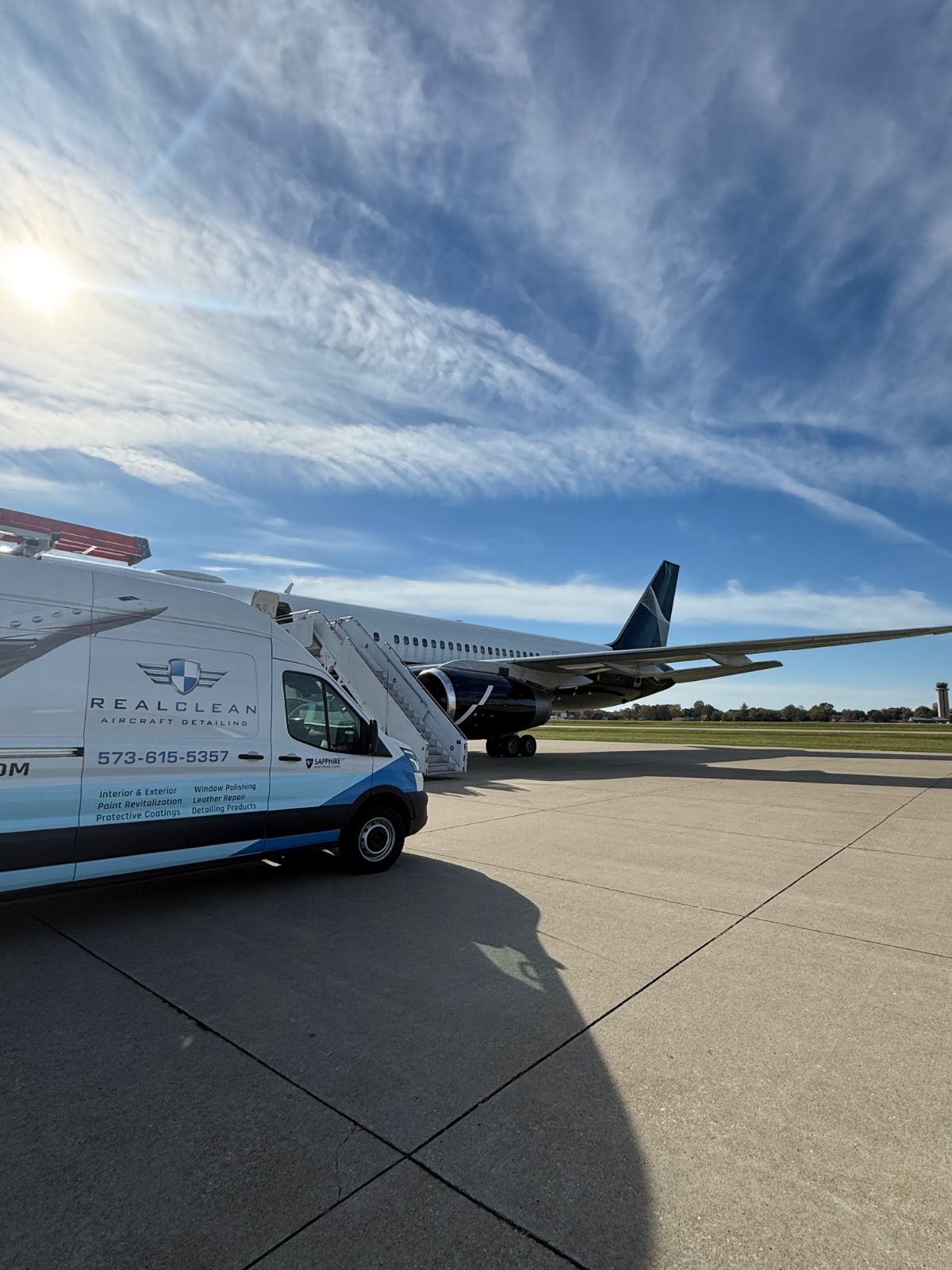
Before
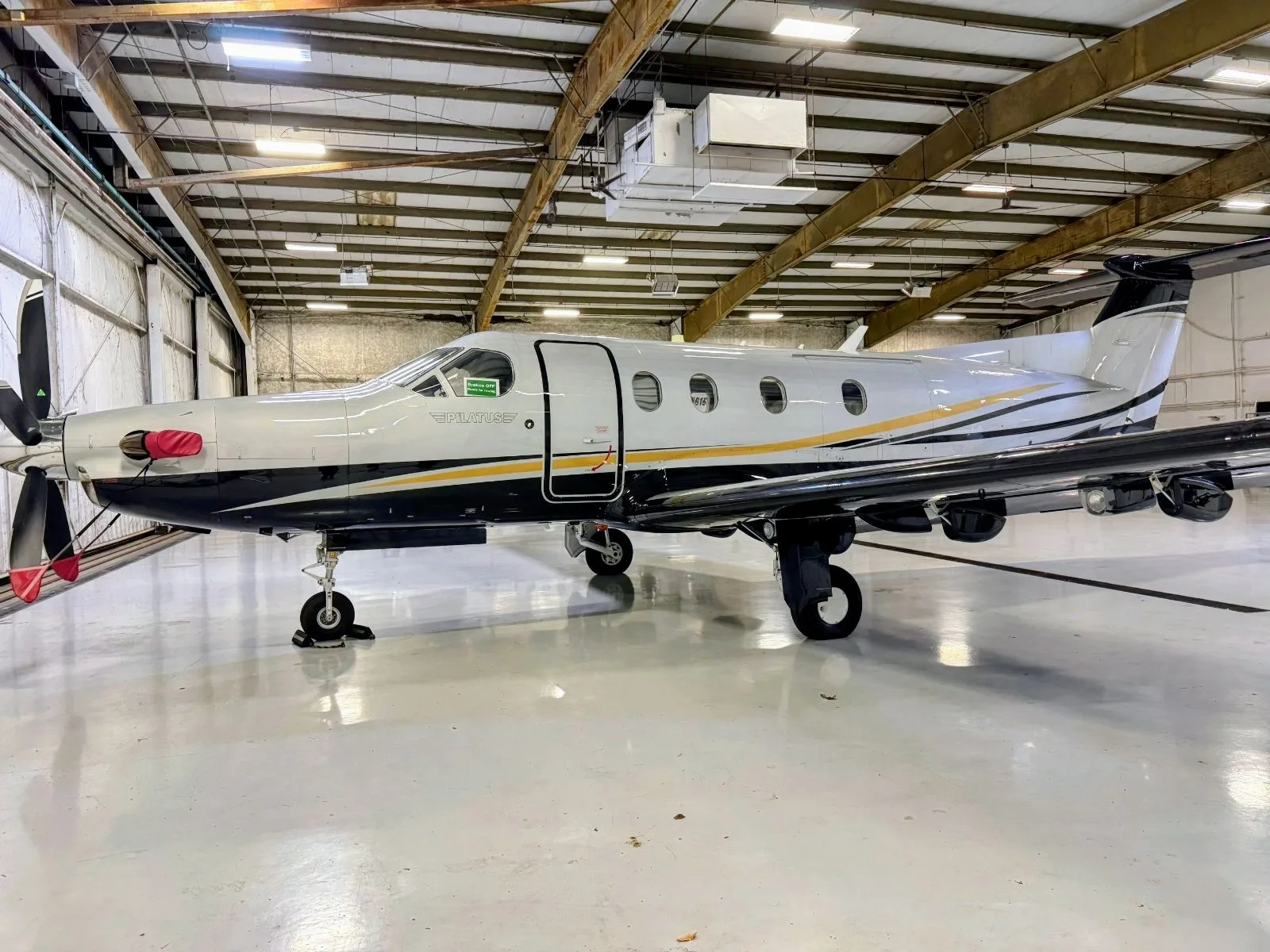
After
What It Is
Ramp-safe chemicals are cleaning products specifically formulated to meet airport environmental and safety requirements. These products won't contaminate groundwater if runoff enters storm drains, won't create fire hazards around aircraft fuel systems, won't damage aircraft materials when used properly, and meet FAA/EASA airworthiness requirements for use on certificated aircraft. Aviation-specific formulations also consider unique aircraft materials including aerospace aluminum, polycarbonate windows, composite structures, and various sealants.
Why It Matters
Using non-approved chemicals on airport ramps creates serious consequences. Environmental violations can result in significant fines ($10,000+ per incident) and loss of airport access privileges. Damage to aircraft from improper chemicals voids warranties and creates airworthiness concerns. Some household chemicals attack aerospace aluminum, craze acrylic windows, or degrade composite bonds. Professional operators maintain compliance records showing product approvals—essential for insurance and regulatory purposes.
Owner Checklist
- ✓Verify all cleaning products have aviation-specific formulation
- ✓Review MSDS/SDS for each product used
- ✓Confirm compliance with your airport's specific requirements
- ✓Check pH levels—avoid strong acids or bases
- ✓Ensure products are non-flammable (no flash point)
- ✓Verify biodegradability ratings for runoff concerns
- ✓Document products used for maintenance records
- ✓Train anyone washing aircraft on proper product use
Time & Cost
Typical Time
N/A - product selection, not service
Cost Range
Aviation cleaners: $15-50/gallon vs. $5-15 for automotive
Aviation-specific products cost more than household alternatives but protect your investment and maintain compliance. Consider the cost of one environmental fine or one damaged window versus the modest premium for proper products. Professional detailers include compliant products in their service pricing.
Risks To Avoid
- ⚠Never use household cleaners on aircraft—formulations damage aviation materials
- ⚠Avoid petroleum-based products near fuel systems—fire hazard
- ⚠Don't use products without verifying airport approval
- ⚠Never apply strong acids or alkaline cleaners—material damage results
- ⚠Avoid ammonia-based products on windows—crazing occurs
- ⚠Don't ignore runoff requirements—environmental fines are severe
Airports We Serve
CleanJets connects you with professional detailing specialists at airports in Missouri, Florida, New England:
St. Louis Lambert
SUSSpirit of St. Louis
MCIKansas City Intl
MKCKC Downtown
SGFSpringfield-Branson
COUColumbia Regional
JEFJefferson City Memorial
BKGBranson Airport
CGICape Girardeau Regional
SUAWitham Field
FPRTreasure Coast Intl
VRBVero Beach Regional
DJTPalm Beach (President Donald J. Trump Intl, formerly PBI)
LNAPalm Beach County Park
BCTBoca Raton
FLLFort Lauderdale-Hollywood Intl
FXEFort Lauderdale Executive
PMPPompano Beach Airpark
OPFMiami-Opa Locka Executive
TMBMiami Executive
MIAMiami Intl
EYWKey West Intl
MTHFlorida Keys Marathon Intl
APFNaples
RSWSouthwest Florida Intl
FMYPage Field
PGDPunta Gorda
VNCVenice Municipal
SRQSarasota Bradenton Intl
MLBMelbourne Orlando Intl
TIXSpace Coast Regional
DABDaytona Beach Intl
ORLOrlando Executive
MCOOrlando Intl
SFBOrlando Sanford Intl
ISMKissimmee Gateway
HVNTweed New Haven
BEDHanscom Field
BOSBoston Logan Intl
MVYMartha's Vineyard
OWDNorwood Memorial
BVYBeverly Regional
PVDRhode Island T. F. Green Intl
BDLBradley Intl
PWMPortland Intl Jetport
MHTManchester-Boston Regional
Related Services
Looking for professional help? CleanJets connects you with experienced specialists for these services:
Ready for Professional Aircraft Detailing?
Connect with experienced specialists who understand your aircraft's specific needs.
Frequently Asked Questions
Can I use household car wash soap on my aircraft?
No. Automotive soaps often contain petroleum distillates, harsh detergents, and additives that damage aerospace materials. Aluminum alloys, acrylic windows, and composite structures require aviation-specific pH-neutral formulations. The cost savings aren't worth the risk of damage.
What pH level is safe for aircraft cleaning?
pH 7-10 (neutral to mildly alkaline) is generally safe for aircraft surfaces. Strong acids (below pH 6) can etch aluminum and damage clear coat. Strong bases (above pH 11) can attack certain sealants and composite matrices. Always check product specifications against aircraft manufacturer recommendations.
Do different airports have different chemical requirements?
Yes. While FAA provides general guidance, individual airports enforce local environmental regulations that may be more restrictive. Coastal airports, airports over aquifers, and airports in environmentally sensitive areas often have stricter requirements. Always verify with your specific airport authority.