
How do you protect high-traffic touchpoints (handles, armrests, galley) between details?
High-traffic touchpoint protection combines antimicrobial coatings, quick-wipe protocols, and strategic barrier methods. Products like Microban-infused cleaners or Zoono antimicrobial coatings provide lasting protection between flights. Implement pre/post-flight wipe-downs of door handles, armrests, tray tables, lavatory fixtures, and galley surfaces using aviation-safe disinfecting wipes. Consider leather protectants on armrests that create cleanable barriers. For charter operations, NBAA sanitization guidelines provide comprehensive protocols. Regular quick-cleans preserve professional detail results and maintain passenger confidence in cabin cleanliness.
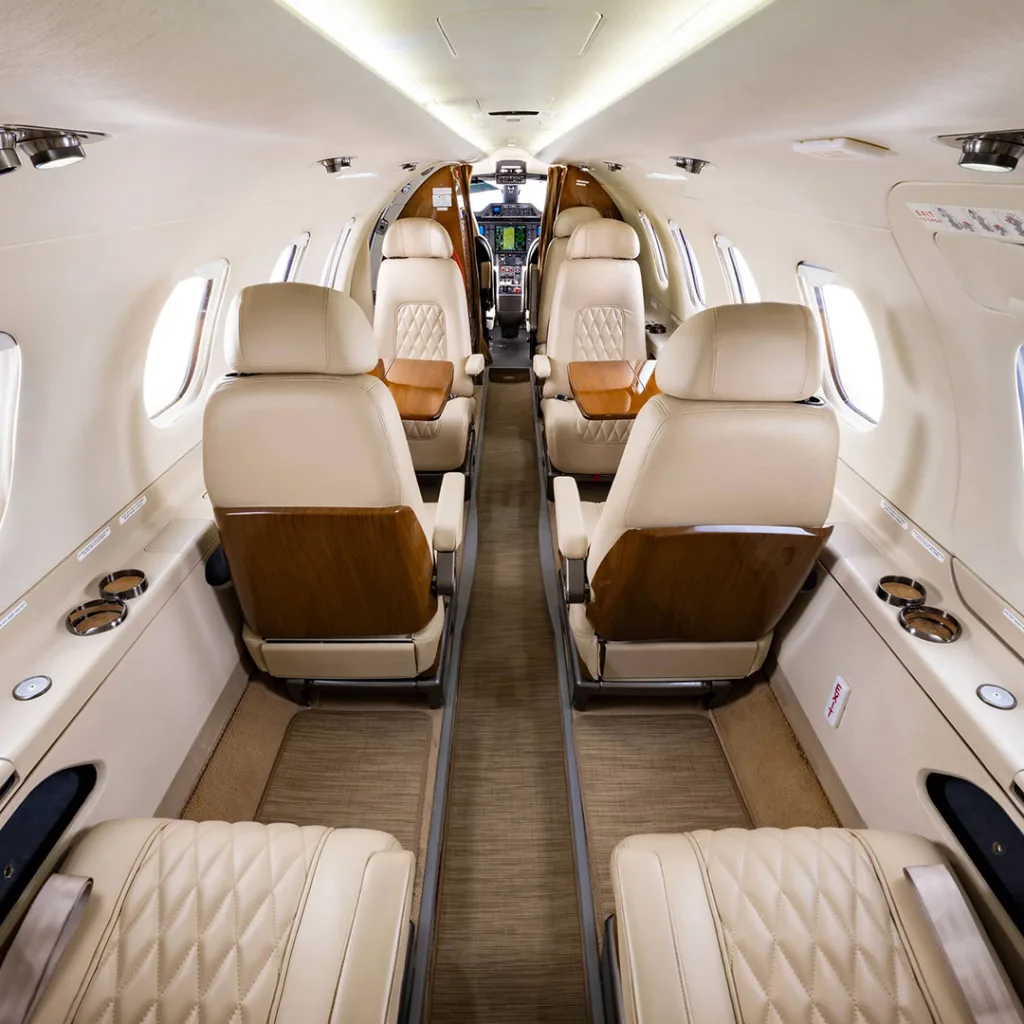
Before
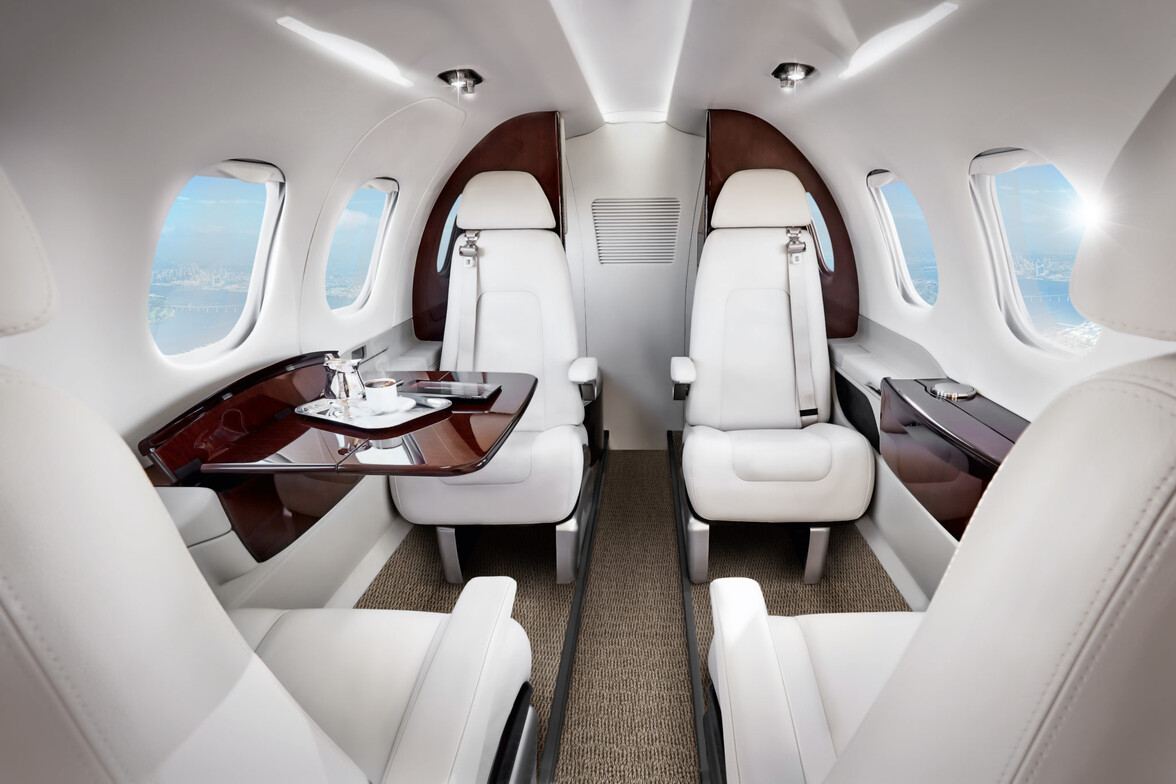
After
What It Is
Touchpoint protection involves three layers: surface treatment with antimicrobial or protective coatings, regular cleaning with appropriate products, and physical barriers where practical. Antimicrobial coatings bond to surfaces and provide ongoing protection between applications. Quick-wipe protocols using aviation-safe disinfectants address immediate contamination. Leather and fabric protectants create surfaces that resist absorption and clean easily. Combined, these approaches maintain cabin cleanliness between comprehensive professional details.
Why It Matters
Passengers touch countless surfaces during each flight—door handles, seatbelts, armrests, controls, lavatory fixtures, galley items. Each contact transfers oils, germs, and contamination. In charter and corporate aviation, passengers expect pristine conditions. Post-COVID awareness has elevated cleanliness expectations permanently. IATA cabin health guidelines emphasize touchpoint sanitization. Regular protection maintains professional appearance, extends time between deep cleans, and demonstrates commitment to passenger wellbeing.
Owner Checklist
- ✓Identify all high-touch surfaces in your specific aircraft
- ✓Apply antimicrobial coating after each professional detail
- ✓Stock aviation-safe disinfecting wipes for crew use
- ✓Implement pre-flight and post-flight wipe-down protocol
- ✓Focus on: door handles, armrests, tray tables, controls, lavatory
- ✓Apply leather protectant to armrests and headrests monthly
- ✓Replace wipe stock regularly—dried wipes are ineffective
- ✓Document sanitization for passenger peace of mind
Time & Cost
Typical Time
Quick wipe-down: 10-20 min | Antimicrobial application: 1-2 hours
Cost Range
Wipes/cleaners: $50-100/month | Antimicrobial coating: $200-500 per application
Quick-turn wipe-downs are minimal cost and time investment with significant cleanliness benefit. Professional antimicrobial coatings last 30-90 days depending on product and usage. The cost of maintaining clean touchpoints is negligible compared to passenger perception value and health benefits.
Risks To Avoid
- ⚠Never use household disinfectants—they may damage aviation materials
- ⚠Don't skip high-touch areas just because they look clean
- ⚠Avoid products with harsh chemicals near leather—damage results
- ⚠Never use wet wipes on electronics or avionics
- ⚠Don't assume antimicrobial coating eliminates need for cleaning
- ⚠Skip the fragranced products—passenger sensitivity issues
Airports We Serve
CleanJets connects you with professional detailing specialists at airports in Missouri, Florida, New England:
St. Louis Lambert
SUSSpirit of St. Louis
MCIKansas City Intl
MKCKC Downtown
SGFSpringfield-Branson
COUColumbia Regional
JEFJefferson City Memorial
BKGBranson Airport
CGICape Girardeau Regional
SUAWitham Field
FPRTreasure Coast Intl
VRBVero Beach Regional
DJTPalm Beach (President Donald J. Trump Intl, formerly PBI)
LNAPalm Beach County Park
BCTBoca Raton
FLLFort Lauderdale-Hollywood Intl
FXEFort Lauderdale Executive
PMPPompano Beach Airpark
OPFMiami-Opa Locka Executive
TMBMiami Executive
MIAMiami Intl
EYWKey West Intl
MTHFlorida Keys Marathon Intl
APFNaples
RSWSouthwest Florida Intl
FMYPage Field
PGDPunta Gorda
VNCVenice Municipal
SRQSarasota Bradenton Intl
MLBMelbourne Orlando Intl
TIXSpace Coast Regional
DABDaytona Beach Intl
ORLOrlando Executive
MCOOrlando Intl
SFBOrlando Sanford Intl
ISMKissimmee Gateway
HVNTweed New Haven
BEDHanscom Field
BOSBoston Logan Intl
MVYMartha's Vineyard
OWDNorwood Memorial
BVYBeverly Regional
PVDRhode Island T. F. Green Intl
BDLBradley Intl
PWMPortland Intl Jetport
MHTManchester-Boston Regional
Related Services
Looking for professional help? CleanJets connects you with experienced specialists for these services:
Ready for Professional Aircraft Detailing?
Connect with experienced specialists who understand your aircraft's specific needs.
Frequently Asked Questions
What disinfectants are safe for aircraft interiors?
Use products specifically designed for aviation or those verified compatible with aircraft materials. Look for EPA-registered disinfectants that are non-corrosive and safe for leather, plastics, and fabrics. Major aviation suppliers offer compliant products. Always test in inconspicuous areas first.
How long do antimicrobial coatings last?
Professional antimicrobial coatings typically last 30-90 days depending on product, surface type, and usage intensity. High-touch areas may need more frequent reapplication. Follow manufacturer recommendations and consider more frequent application for high-utilization aircraft.
Should crew perform sanitization between passengers?
Yes, especially for charter operations. A quick wipe-down of primary touchpoints takes 10-15 minutes and demonstrates professionalism while maintaining genuine cleanliness. Many operators now include sanitization in standard crew procedures. Documentation provides passenger assurance.