
Are there products I should never use on acrylic windows or composite surfaces?
Absolutely yes—certain common products cause irreversible damage to acrylic windows and composite structures. Never use ammonia-based cleaners (Windex, etc.) on acrylic windows—they cause crazing, a network of micro-cracks that requires expensive replacement. Avoid petroleum-based solvents on composites—they can attack the epoxy matrix. Don't use abrasive cleaners or paper towels on any aircraft surface. Acetone damages many plastics and composite resins. MEK (methyl ethyl ketone) is too aggressive for most applications. Stick to aviation-specific products formulated for these sensitive materials, and always test in inconspicuous areas first.
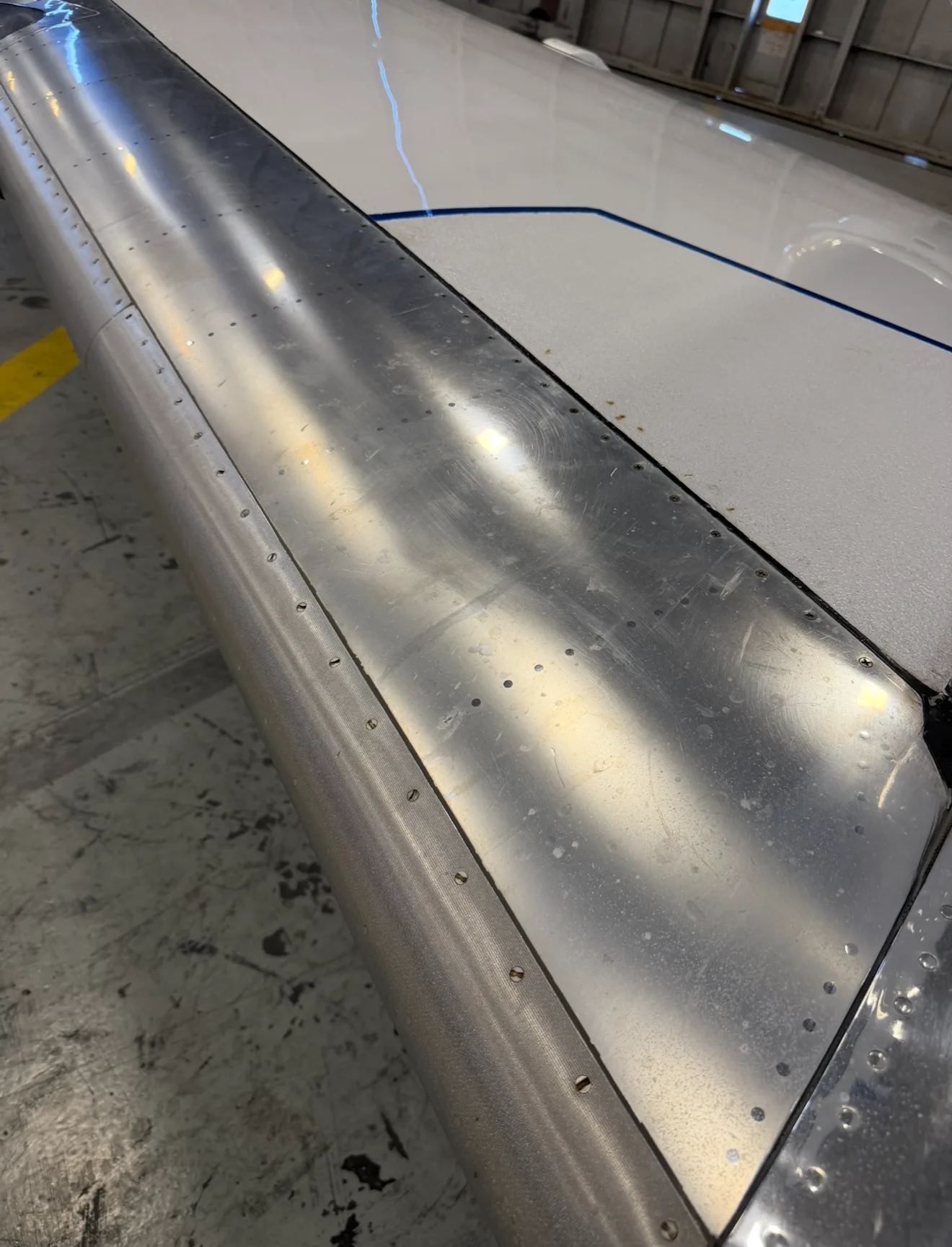
Before
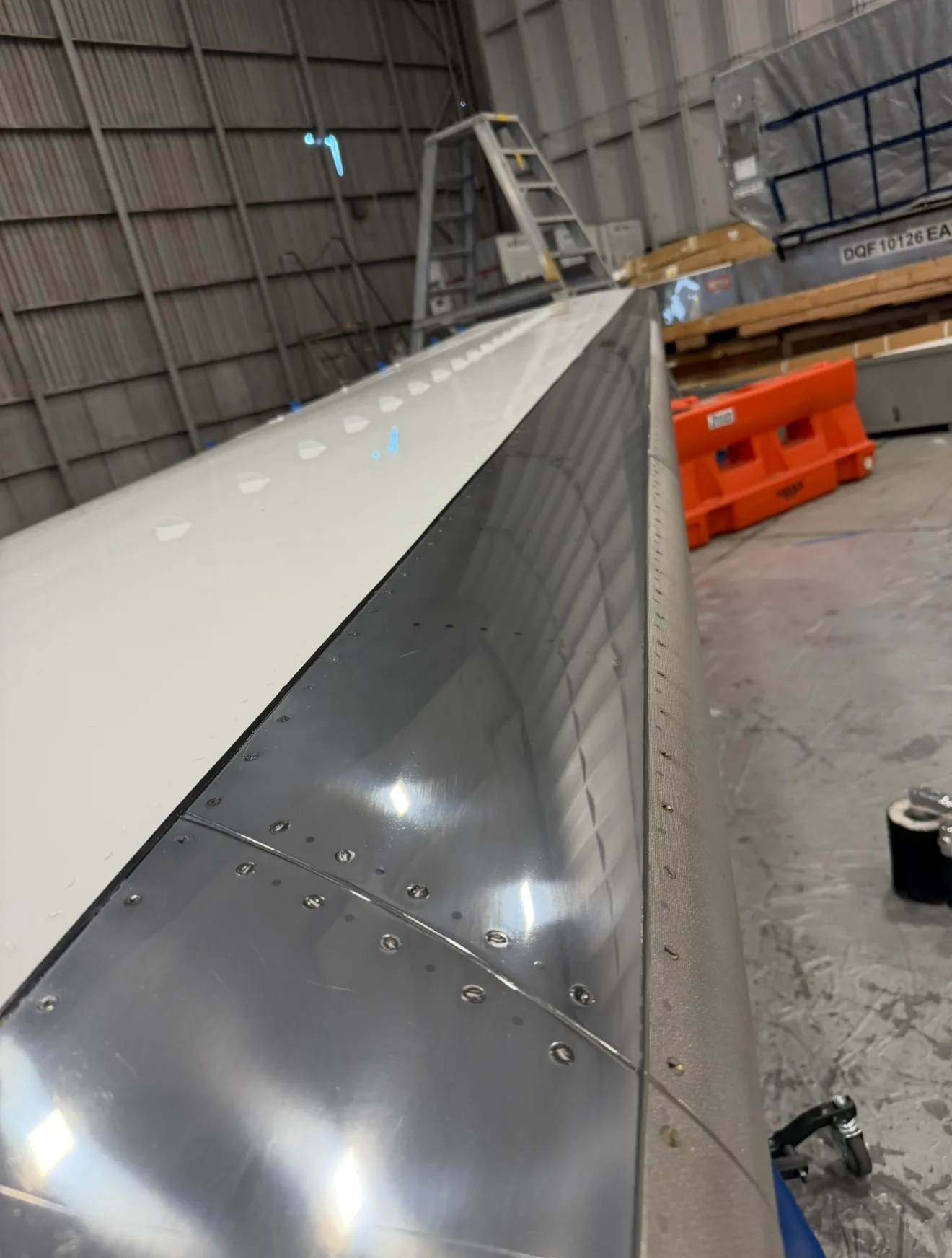
After
What It Is
Aircraft acrylic windows (windshields, side windows) are made from stretched acrylic plastic that's much softer than glass and susceptible to chemical attack. Modern composites use carbon fiber, fiberglass, or Kevlar reinforcement in epoxy or polyester resin matrices—the resin is vulnerable to certain solvents. Understanding these materials' sensitivities guides safe product selection. Aviation-specific cleaners are formulated to clean effectively while remaining chemically compatible with all aircraft materials.
Why It Matters
Acrylic window replacement costs $2,000-20,000+ depending on aircraft type and window location. Crazing from chemical damage isn't repairable—replacement is the only option. Composite damage from improper solvents can weaken structural integrity, creating airworthiness concerns that require expensive professional assessment and repair. A single mistake with the wrong cleaner can cost more than years of professional detailing. Understanding material sensitivities protects your investment.
Owner Checklist
- ✓Identify all acrylic and composite components on your aircraft
- ✓Verify any cleaner is approved for aviation plastics before use
- ✓Keep ammonia-based products away from your hangar/aircraft
- ✓Use only designated microfiber or approved cloths on windows
- ✓Test any new product on inconspicuous area first
- ✓Stock aviation-specific plastic cleaners and polishes
- ✓Train anyone cleaning aircraft on prohibited products
- ✓Document any chemical exposure incidents for maintenance records
Time & Cost
Typical Time
N/A - prevention guidance
Cost Range
Acrylic window replacement: $2,000-20,000+ | Composite repair: $500-10,000+
Prevention costs virtually nothing—just awareness and proper product selection. Damage repair costs thousands. Aviation plastic cleaners cost $15-30 and last many cleaning cycles. The math strongly favors prevention.
Risks To Avoid
- ⚠Never use ammonia-based cleaners on acrylic—crazing is permanent
- ⚠Don't use paper towels—they scratch acrylic surfaces
- ⚠Avoid petroleum solvents on composites—matrix damage occurs
- ⚠Never use acetone on plastics or composites without verification
- ⚠Don't use pressure washers on windows—damage and seal failure result
- ⚠Avoid automotive glass cleaners—wrong formulation for aviation plastics
Airports We Serve
CleanJets connects you with professional detailing specialists at airports in Missouri, Florida, New England:
St. Louis Lambert
SUSSpirit of St. Louis
MCIKansas City Intl
MKCKC Downtown
SGFSpringfield-Branson
COUColumbia Regional
JEFJefferson City Memorial
BKGBranson Airport
CGICape Girardeau Regional
SUAWitham Field
FPRTreasure Coast Intl
VRBVero Beach Regional
DJTPalm Beach (President Donald J. Trump Intl, formerly PBI)
LNAPalm Beach County Park
BCTBoca Raton
FLLFort Lauderdale-Hollywood Intl
FXEFort Lauderdale Executive
PMPPompano Beach Airpark
OPFMiami-Opa Locka Executive
TMBMiami Executive
MIAMiami Intl
EYWKey West Intl
MTHFlorida Keys Marathon Intl
APFNaples
RSWSouthwest Florida Intl
FMYPage Field
PGDPunta Gorda
VNCVenice Municipal
SRQSarasota Bradenton Intl
MLBMelbourne Orlando Intl
TIXSpace Coast Regional
DABDaytona Beach Intl
ORLOrlando Executive
MCOOrlando Intl
SFBOrlando Sanford Intl
ISMKissimmee Gateway
HVNTweed New Haven
BEDHanscom Field
BOSBoston Logan Intl
MVYMartha's Vineyard
OWDNorwood Memorial
BVYBeverly Regional
PVDRhode Island T. F. Green Intl
BDLBradley Intl
PWMPortland Intl Jetport
MHTManchester-Boston Regional
Related Services
Looking for professional help? CleanJets connects you with experienced specialists for these services:
Ready for Professional Aircraft Detailing?
Connect with experienced specialists who understand your aircraft's specific needs.
Frequently Asked Questions
What is crazing and why is it dangerous?
Crazing is a network of tiny interconnected cracks in acrylic caused by chemical attack or stress. It reduces optical clarity, weakens the material, and cannot be repaired—replacement is required. Crazed windows can fail under pressure differential, creating serious safety concerns.
Can I use isopropyl alcohol on aircraft surfaces?
Diluted isopropyl alcohol (70% or less) is generally safe for painted surfaces and some composites, but should be avoided on acrylic windows. Even alcohol can cause problems with certain plastic components. When in doubt, use aviation-specific cleaners designed for multi-surface compatibility.
What cleaners are safe for both windows and paint?
Aviation-specific wash products like those from Aero Cosmetics, Nuvite, and similar brands are formulated to be safe on all aircraft surfaces including paint, acrylic, polycarbonate, and composites. These all-in-one products simplify cleaning while ensuring material safety.
How do I safely clean really dirty windows?
Pre-soak with water to soften contamination. Use aviation plastic cleaner with a clean microfiber cloth, never paper towels. Work in straight lines, not circles. For bug removal, let plastic-safe bug remover dwell before gentle wiping. Never scrub aggressively—let chemistry do the work.