
How often should I wash my aircraft (piston, turboprop, jet)?
Washing frequency depends on aircraft type, usage, and environment. Piston aircraft typically need washing every 30-60 days with light monthly wipe-downs. Turboprops operating in higher utilization should be washed every 2-4 weeks. Jets, especially those flying into diverse environments, benefit from weekly to bi-weekly exterior cleaning. Coastal operations, dusty environments, or frequent bug exposure all accelerate contamination and warrant more frequent washing. Establishing a consistent schedule prevents paint degradation, corrosion, and maintains aircraft value while ensuring safe visual inspections of critical surfaces.
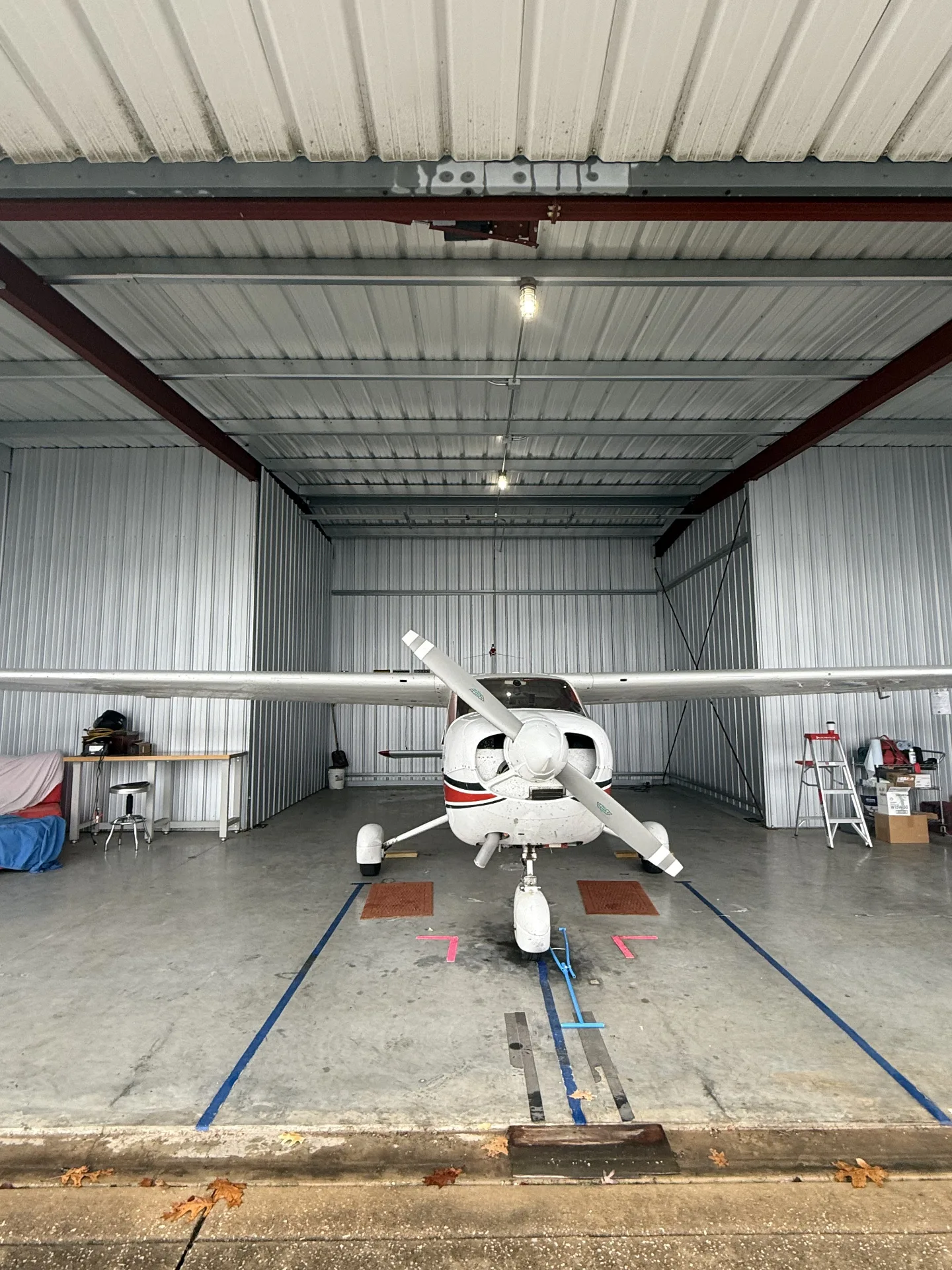
Before
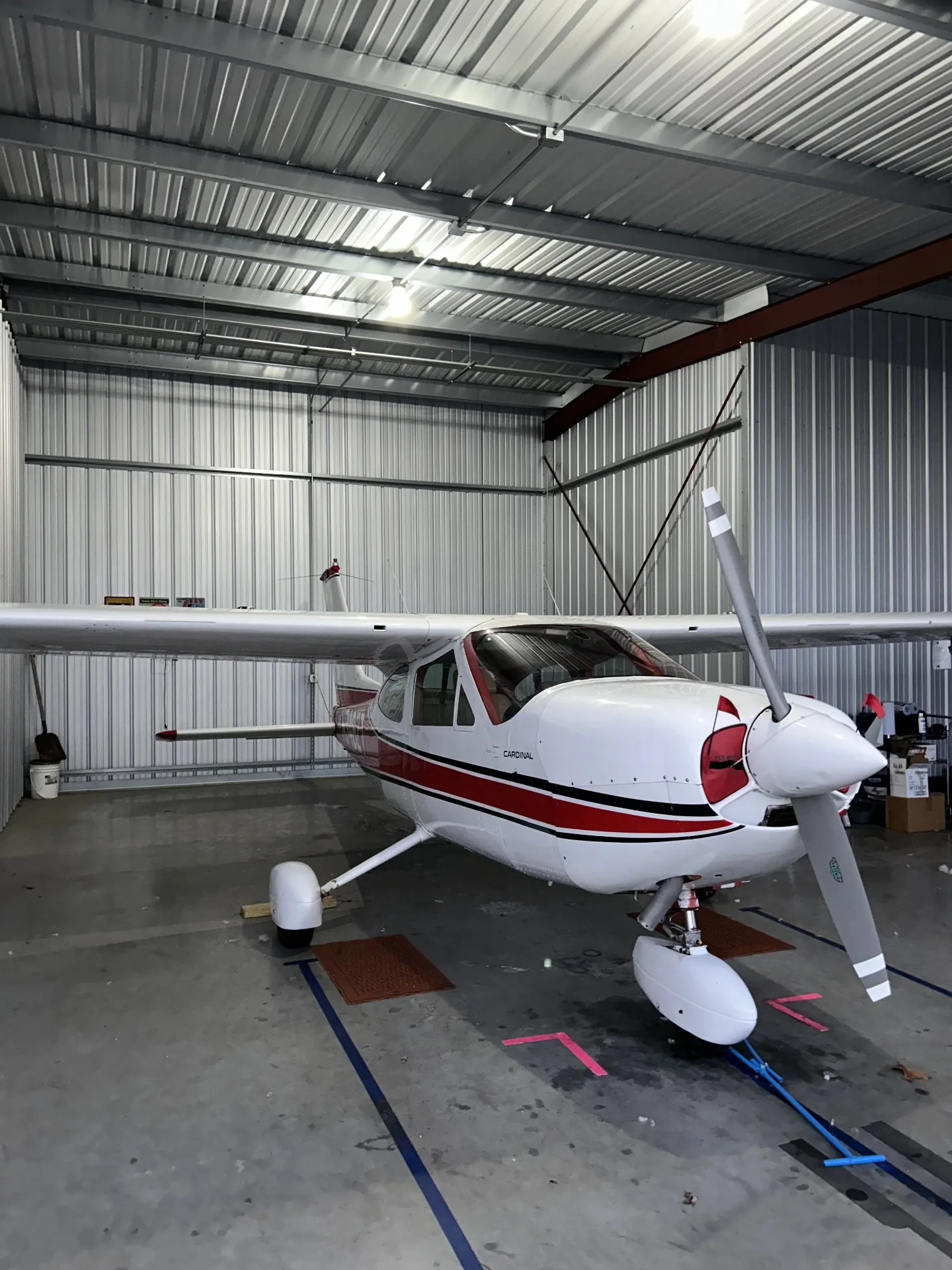
After
What It Is
Aircraft washing is the systematic removal of environmental contamination including dirt, bugs, exhaust residue, hydraulic fluid traces, and atmospheric pollutants from exterior surfaces. The process involves pre-rinse, application of aviation-approved detergents, gentle agitation with microfiber tools, thorough rinsing, and proper drying. For brightwork and painted surfaces, different products and techniques are required. Regular washing is not merely cosmetic—it's a critical maintenance practice that enables visual inspections, prevents corrosive damage, and protects your investment.
Why It Matters
Contamination left on aircraft surfaces doesn't just look bad—it causes real damage. Bug acids etch paint within 48-72 hours. Salt air from coastal flying accelerates corrosion. Exhaust staining becomes permanent if not addressed. Industrial fallout bonds to clear coat. Beyond appearance, dirty aircraft mask potential safety issues during preflight inspections. Cracks, fluid leaks, and fastener anomalies are harder to spot on contaminated surfaces. Insurance claims and prebuy inspections both favor well-maintained aircraft with documented cleaning histories. The cost of regular washing is minimal compared to paint restoration or corrosion repair.
Owner Checklist
- ✓Establish washing schedule based on aircraft type and usage
- ✓Document each wash with date, products used, and technician
- ✓Inspect for damage during each wash—report findings immediately
- ✓Use only aviation-approved, ramp-safe cleaning products
- ✓Ensure proper drainage and environmental compliance
- ✓Check brightwork and paint condition after each wash
- ✓Coordinate with maintenance for any findings
- ✓Maintain cleaning log for resale and insurance documentation
Time & Cost
Typical Time
2-6 hours depending on aircraft size
Cost Range
$150-400 (piston), $400-800 (turboprop), $600-1,500 (jet)
Costs vary by aircraft size, condition, and location. Hangar work may cost more but delivers better results. Quick-wash services for light contamination are available at lower cost points. Fleet programs offer 15-25% discounts for scheduled recurring service.
Risks To Avoid
- ⚠Never let bug contamination sit more than 48 hours—acids etch paint permanently
- ⚠Avoid washing in direct sunlight—water spots and chemical reactions occur
- ⚠Don't use household cleaners—they damage aviation finishes and void warranties
- ⚠Never pressure wash at close range—paint delamination and seal damage result
- ⚠Skip drying at your peril—water spots and mineral deposits form quickly
- ⚠Don't wash over open fuel vents or pitot tubes without proper covers
Airports We Serve
CleanJets connects you with professional detailing specialists at airports in Missouri, Florida, New England:
St. Louis Lambert
SUSSpirit of St. Louis
MCIKansas City Intl
MKCKC Downtown
SGFSpringfield-Branson
COUColumbia Regional
JEFJefferson City Memorial
BKGBranson Airport
CGICape Girardeau Regional
SUAWitham Field
FPRTreasure Coast Intl
VRBVero Beach Regional
DJTPalm Beach (President Donald J. Trump Intl, formerly PBI)
LNAPalm Beach County Park
BCTBoca Raton
FLLFort Lauderdale-Hollywood Intl
FXEFort Lauderdale Executive
PMPPompano Beach Airpark
OPFMiami-Opa Locka Executive
TMBMiami Executive
MIAMiami Intl
EYWKey West Intl
MTHFlorida Keys Marathon Intl
APFNaples
RSWSouthwest Florida Intl
FMYPage Field
PGDPunta Gorda
VNCVenice Municipal
SRQSarasota Bradenton Intl
MLBMelbourne Orlando Intl
TIXSpace Coast Regional
DABDaytona Beach Intl
ORLOrlando Executive
MCOOrlando Intl
SFBOrlando Sanford Intl
ISMKissimmee Gateway
HVNTweed New Haven
BEDHanscom Field
BOSBoston Logan Intl
MVYMartha's Vineyard
OWDNorwood Memorial
BVYBeverly Regional
PVDRhode Island T. F. Green Intl
BDLBradley Intl
PWMPortland Intl Jetport
MHTManchester-Boston Regional
Related Services
Looking for professional help? CleanJets connects you with experienced specialists for these services:
Ready for Professional Aircraft Detailing?
Connect with experienced specialists who understand your aircraft's specific needs.
Frequently Asked Questions
Can I wash my own aircraft or should I use professionals?
Owner washing is acceptable for basic cleaning if you use proper aviation products and techniques. However, professional detailers have specialized equipment, insurance, and training to handle all aircraft types safely. For complex aircraft or when documentation matters, professional service is recommended.
What's the difference between a wash and a detail?
A wash removes surface contamination. A detail includes wash plus paint correction, polish, wax or sealant, brightwork polishing, window treatment, and interior cleaning. Think of washing as maintenance; detailing as restoration and protection.
Does washing frequency change for hangar-kept aircraft?
Hangar storage reduces contamination exposure significantly. Hangar-kept aircraft can often extend wash intervals by 25-50%. However, dust accumulation, bird droppings from open hangars, and hydraulic fluid still require attention.