
Hangar vs. ramp: what changes in process, safety, and results?
Hangar detailing offers superior results through climate control, lighting, and protection from elements. Ramp work requires adaptation for wind, sun, temperature, and environmental compliance. Key differences: Hangar advantages—consistent temperature for product curing, no wind-blown contamination, controlled lighting for quality inspection, no weather interruptions, easier environmental containment. Ramp challenges—product drying speed varies with temperature, wind carries debris onto wet surfaces, direct sun causes water spots and premature product drying, weather can interrupt service. Per NATA operational standards, ramp safety requires additional precautions including FOD prevention and jet blast awareness.
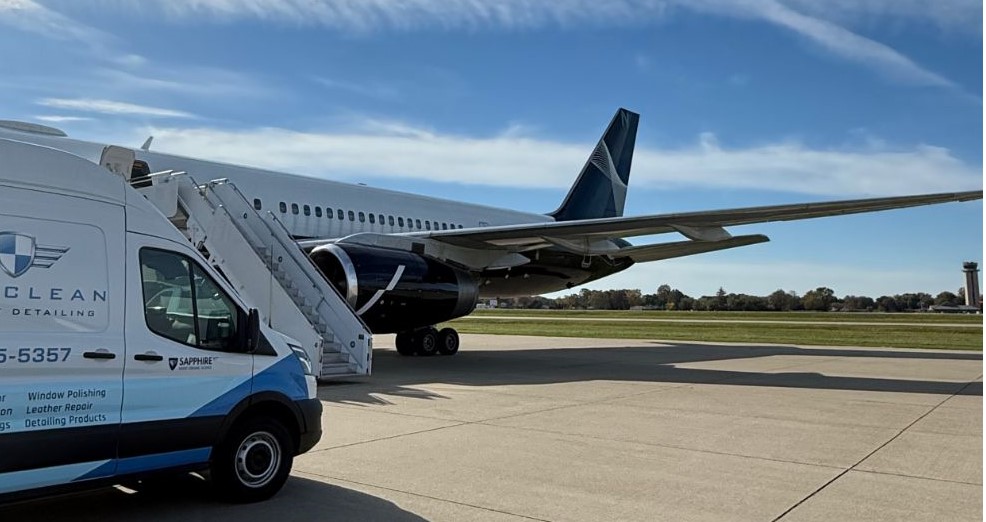
Before
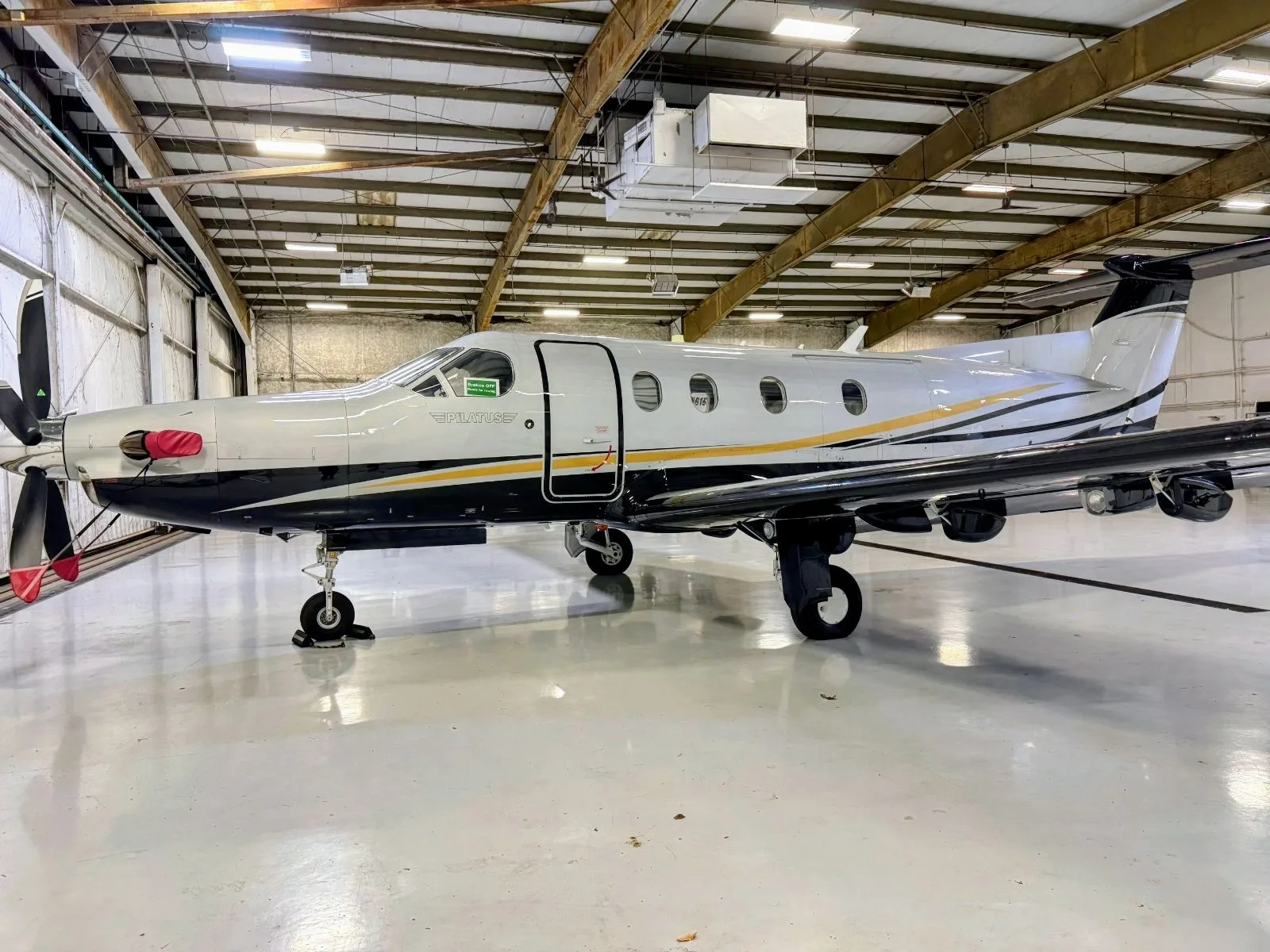
After
What It Is
Hangar detailing occurs in a controlled indoor environment—typically climate-controlled or at least protected from weather. Ramp detailing happens on airport aprons exposed to all environmental conditions. Each setting requires different techniques, timing, and precautions. Professional detailers adapt their processes to each environment while maintaining quality standards. Some services (like ceramic coating cure) specifically require hangar conditions.
Why It Matters
Environment significantly affects detailing quality and safety. Wind-blown dust onto wet paint creates scratches. Direct sun causes products to dry prematurely, leaving residue and water spots. Cold temperatures slow chemical reactions; heat accelerates drying before proper contact time. Rain interrupts service and introduces moisture issues. Beyond quality, ramp operations involve active airport hazards—jet blast, prop wash, vehicle traffic, and FOD concerns. FAA SMS guidelines emphasize hazard awareness for all ramp activities.
Owner Checklist
- ✓Request hangar detailing for ceramic coating applications
- ✓Schedule ramp work during mild weather windows
- ✓Avoid ramp detailing in high winds or extreme temperatures
- ✓Verify detailer has ramp safety training for your airport
- ✓Ensure FOD prevention measures are in place
- ✓Coordinate with FBO for hangar availability
- ✓Understand pricing differences between environments
- ✓Accept that ramp work may require rescheduling for weather
Time & Cost
Typical Time
Hangar: standard | Ramp: add 15-30% for environmental factors
Cost Range
Hangar: often includes facility fee $50-200 | Ramp: standard pricing
Hangar detailing may include facility fees but delivers better results more consistently. Ramp work saves hangar fees but requires weather-appropriate scheduling and may need additional time for environmental challenges. For critical applications (coating, comprehensive detail), hangar investment is worthwhile.
Risks To Avoid
- ⚠Never schedule ceramic coating without guaranteed hangar time
- ⚠Don't detail in direct summer sun—product failure occurs
- ⚠Avoid ramp work in winds exceeding 15 mph—contamination issues
- ⚠Never leave equipment unsecured on active ramp—FOD hazard
- ⚠Don't ignore weather forecasts—interruptions waste time and money
- ⚠Skip ramp polishing on hot surfaces—buffer can burn paint
Airports We Serve
CleanJets connects you with professional detailing specialists at airports in Missouri, Florida, New England:
St. Louis Lambert
SUSSpirit of St. Louis
MCIKansas City Intl
MKCKC Downtown
SGFSpringfield-Branson
COUColumbia Regional
JEFJefferson City Memorial
BKGBranson Airport
CGICape Girardeau Regional
SUAWitham Field
FPRTreasure Coast Intl
VRBVero Beach Regional
DJTPalm Beach (President Donald J. Trump Intl, formerly PBI)
LNAPalm Beach County Park
BCTBoca Raton
FLLFort Lauderdale-Hollywood Intl
FXEFort Lauderdale Executive
PMPPompano Beach Airpark
OPFMiami-Opa Locka Executive
TMBMiami Executive
MIAMiami Intl
EYWKey West Intl
MTHFlorida Keys Marathon Intl
APFNaples
RSWSouthwest Florida Intl
FMYPage Field
PGDPunta Gorda
VNCVenice Municipal
SRQSarasota Bradenton Intl
MLBMelbourne Orlando Intl
TIXSpace Coast Regional
DABDaytona Beach Intl
ORLOrlando Executive
MCOOrlando Intl
SFBOrlando Sanford Intl
ISMKissimmee Gateway
HVNTweed New Haven
BEDHanscom Field
BOSBoston Logan Intl
MVYMartha's Vineyard
OWDNorwood Memorial
BVYBeverly Regional
PVDRhode Island T. F. Green Intl
BDLBradley Intl
PWMPortland Intl Jetport
MHTManchester-Boston Regional
Related Services
Looking for professional help? CleanJets connects you with experienced specialists for these services:
Ready for Professional Aircraft Detailing?
Connect with experienced specialists who understand your aircraft's specific needs.
Frequently Asked Questions
When is hangar detailing mandatory versus optional?
Hangar is mandatory for ceramic coating (cure requirements), recommended for full paint correction and polish, and optimal for any comprehensive detail. Hangar is optional for basic wash, quick-turn cleaning, or maintenance wipes. When in doubt, hangar delivers better results—the question is availability and cost.
How does temperature affect detailing quality?
Temperature affects product chemistry—polishes, waxes, and coatings have optimal application temperatures (typically 60-80°F). Cold slows reactions and may prevent proper bonding. Heat accelerates drying, potentially before products fully work. Extreme temperatures require product selection adjustments or environmental controls.
What ramp safety precautions should detailers follow?
Professional ramp safety includes: FOD awareness and prevention, hi-visibility clothing, awareness of jet blast and prop wash zones, securing all equipment, radio communication with FBO/ground control as required, awareness of active traffic areas, and following airport-specific safety rules. Ask your detailer about their ramp safety training.