
Best practice for de-ice boots (restore vs. repaint vs. protectants)?
De-ice boot maintenance depends on current condition and remaining service life. UV protectants should be applied monthly to prevent premature aging—products like Icex or AeroShell boot preservers extend life significantly. Restoration using dedicated boot reconditioning products works for minor surface oxidation and fading. Repainting is appropriate when boots have severe UV damage but rubber integrity remains sound. Replacement is necessary when cracking, delamination, or porosity appears—these indicate structural failure that no treatment can reverse. Follow your aircraft manufacturer's maintenance manual and FAA Advisory Circulars for specific guidance.
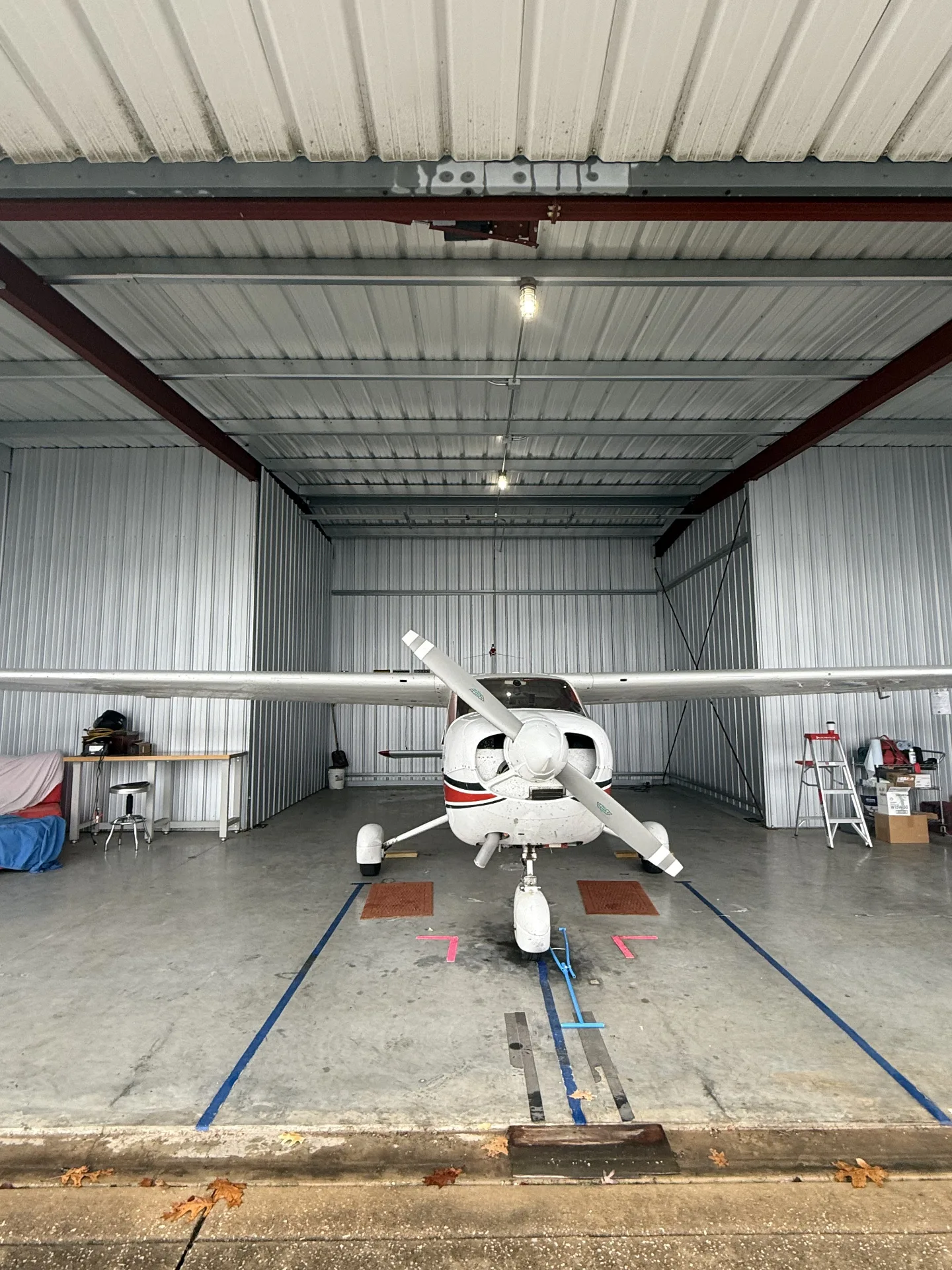
Before
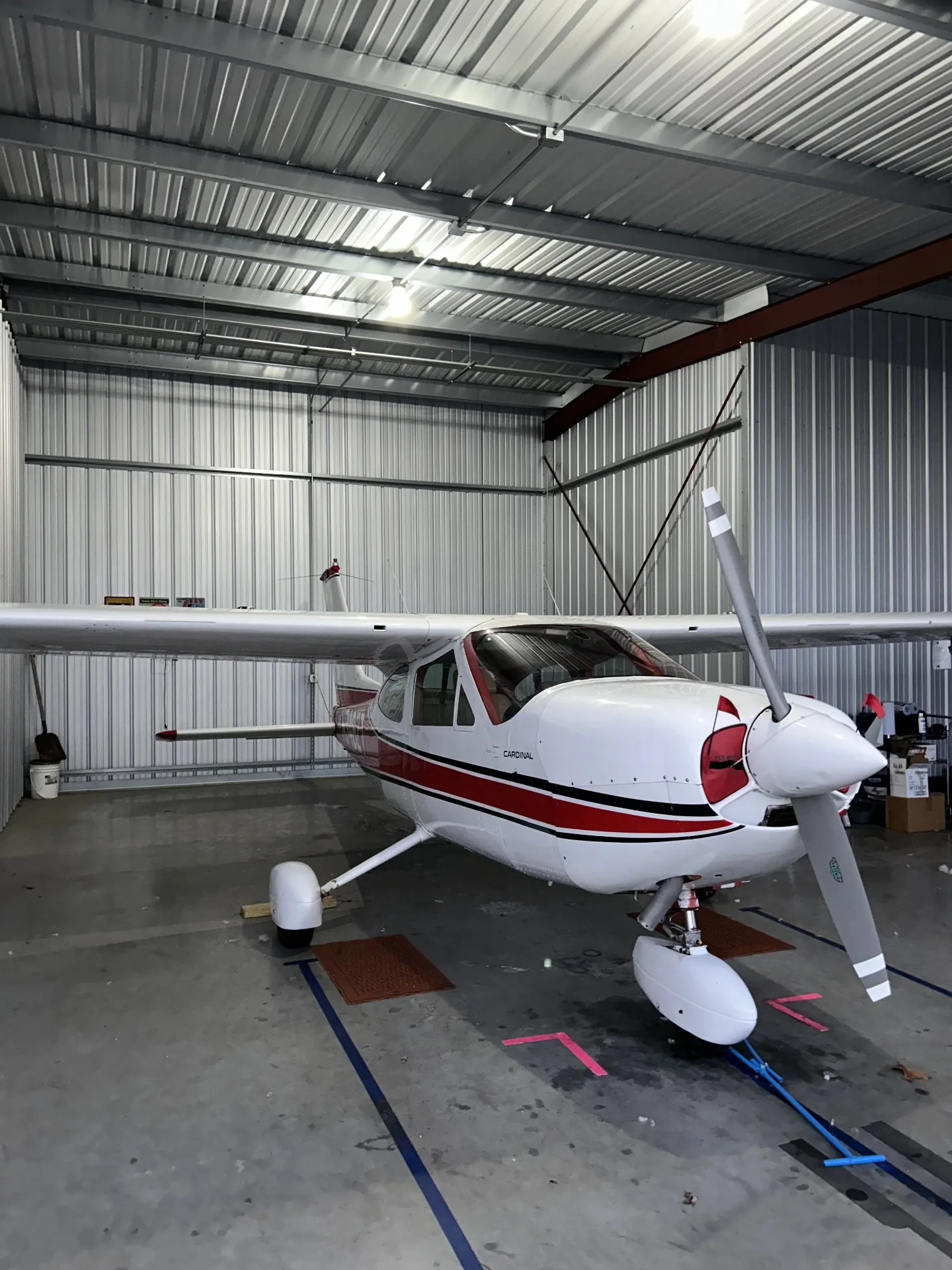
After
What It Is
De-ice boots are inflatable rubber bladders on leading edges that break ice accumulation by cycling inflation and deflation. These boots are subject to constant UV exposure, ozone degradation, flexing stress, and environmental contamination. Proper care involves cleaning, UV protection, condition monitoring, and timely intervention. The Collins Aerospace (Goodrich) boot maintenance guides provide manufacturer-specific recommendations for most general aviation boots.
Why It Matters
De-ice boots are critical safety equipment for flight into known icing conditions. Degraded boots may not inflate properly, cycle inconsistently, or fail to shed ice effectively. UV damage and oxidation compromise rubber flexibility essential for proper operation. Per FAA guidance, boot condition directly affects aircraft icing certification. Proactive maintenance extends boot life from 5-7 years to 10+ years, avoiding $5,000-15,000 replacement costs per aircraft.
Owner Checklist
- ✓Apply UV protectant monthly during flying season
- ✓Clean boots with appropriate rubber-safe cleaner before protection
- ✓Inspect for cracking, delamination, or porosity during each preflight
- ✓Document boot condition in maintenance records
- ✓Check manufacturer's service bulletin for boot-specific guidance
- ✓Test boot inflation cycle during annual inspection
- ✓Consider reconditioning when appearance degrades
- ✓Schedule replacement before cracking appears
Time & Cost
Typical Time
Cleaning/protection: 30-60 min | Reconditioning: 2-4 hours
Cost Range
Protectants: $30-60 | Reconditioning: $300-800 | Replacement: $5,000-15,000+
Monthly protectant application is minimal cost for significant life extension. Professional reconditioning every 2-3 years maintains appearance and function. Replacement costs vary dramatically by aircraft type and boot configuration. Proactive care provides exceptional ROI versus premature replacement.
Risks To Avoid
- ⚠Never use petroleum-based products on rubber boots—degradation accelerates
- ⚠Don't paint boots with non-approved coatings—they crack and flake
- ⚠Avoid silicone-based products—they can affect boot adhesion
- ⚠Never ignore surface cracking—it indicates imminent failure
- ⚠Don't skip UV protection—ozone and UV are primary degradation factors
- ⚠Avoid aggressive scrubbing—boot surfaces are easily damaged
Airports We Serve
CleanJets connects you with professional detailing specialists at airports in Missouri, Florida, New England:
St. Louis Lambert
SUSSpirit of St. Louis
MCIKansas City Intl
MKCKC Downtown
SGFSpringfield-Branson
COUColumbia Regional
JEFJefferson City Memorial
BKGBranson Airport
CGICape Girardeau Regional
SUAWitham Field
FPRTreasure Coast Intl
VRBVero Beach Regional
DJTPalm Beach (President Donald J. Trump Intl, formerly PBI)
LNAPalm Beach County Park
BCTBoca Raton
FLLFort Lauderdale-Hollywood Intl
FXEFort Lauderdale Executive
PMPPompano Beach Airpark
OPFMiami-Opa Locka Executive
TMBMiami Executive
MIAMiami Intl
EYWKey West Intl
MTHFlorida Keys Marathon Intl
APFNaples
RSWSouthwest Florida Intl
FMYPage Field
PGDPunta Gorda
VNCVenice Municipal
SRQSarasota Bradenton Intl
MLBMelbourne Orlando Intl
TIXSpace Coast Regional
DABDaytona Beach Intl
ORLOrlando Executive
MCOOrlando Intl
SFBOrlando Sanford Intl
ISMKissimmee Gateway
HVNTweed New Haven
BEDHanscom Field
BOSBoston Logan Intl
MVYMartha's Vineyard
OWDNorwood Memorial
BVYBeverly Regional
PVDRhode Island T. F. Green Intl
BDLBradley Intl
PWMPortland Intl Jetport
MHTManchester-Boston Regional
Related Services
Looking for professional help? CleanJets connects you with experienced specialists for these services:
Ready for Professional Aircraft Detailing?
Connect with experienced specialists who understand your aircraft's specific needs.
Frequently Asked Questions
How often should I apply boot protectant?
Apply UV protectant monthly during active flying season, or after every wash. Aircraft parked outside require more frequent application than hangar-kept aircraft. Follow product-specific instructions and manufacturer recommendations for your boot type.
When should I replace rather than restore boots?
Replace boots when you observe deep cracking (not just surface checks), delamination from the leading edge, porosity that holds water, or when inflation testing shows uneven or inadequate cycling. Your A&P mechanic can assess whether repair or replacement is appropriate.
Can faded boots be repainted?
Yes, boots can be repainted with approved boot paint when the underlying rubber remains supple and intact. This is a maintenance task requiring proper surface preparation and aviation-approved boot paint. Consult your maintenance facility and reference manufacturer guidance.