
Corrosion risk: can improper polishing or washing make it worse?
Yes, improper washing and polishing significantly accelerates corrosion through multiple mechanisms. Trapped moisture in seams, fasteners, and lap joints creates galvanic cells that corrode aluminum. Aggressive polishing removes protective oxide layers and can grind contamination into metal. Wrong chemicals attack protective coatings or create chemical conditions favoring corrosion. Incomplete drying leaves moisture and mineral deposits. Per FAA AC 43-4B (Corrosion Control for Aircraft), proper cleaning technique is essential corrosion prevention. EAA corrosion resources provide additional guidance for aircraft owners.
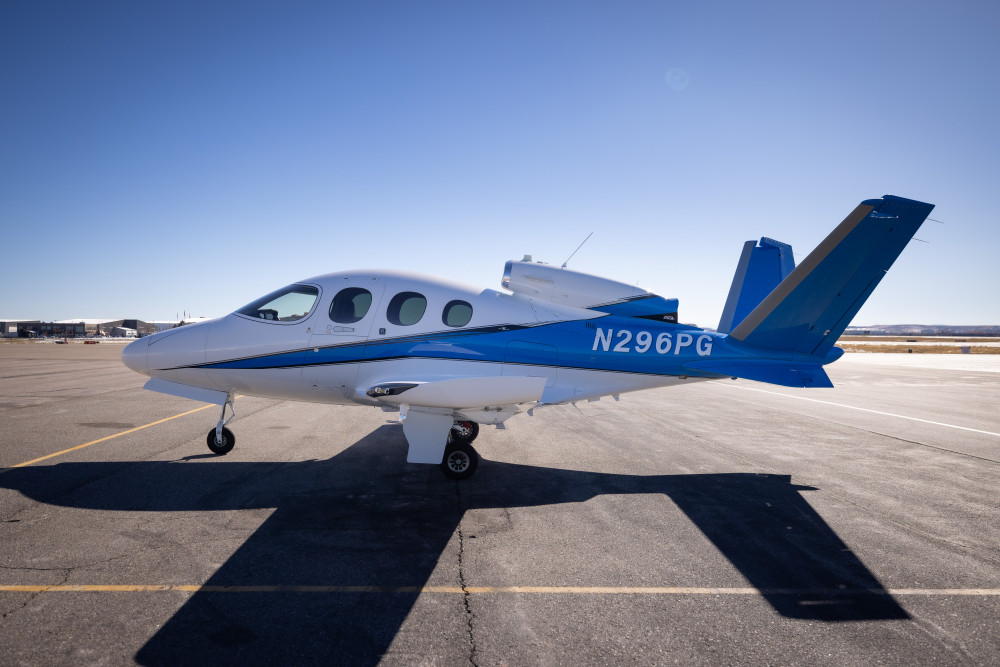
Before
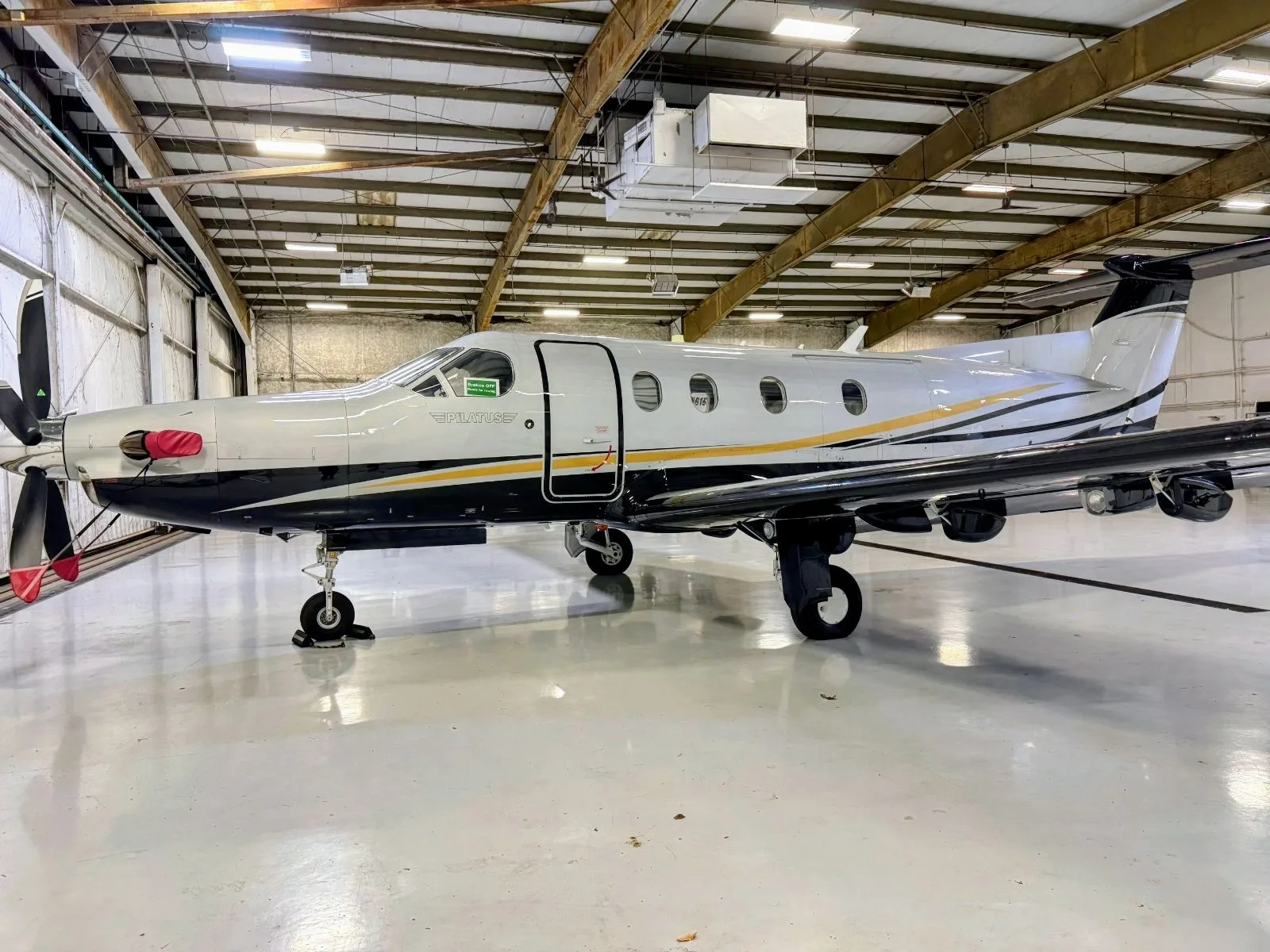
After
What It Is
Aircraft corrosion occurs when metal oxidizes in the presence of moisture and electrolytes. Washing introduces water that can become trapped. Polishing removes protective oxide films that naturally form on aluminum. Chemicals can create acidic or alkaline conditions that accelerate electrochemical reactions. Improper technique combines these factors—introducing moisture, removing protection, and creating conditions for accelerated metal degradation. Professional technique minimizes these risks through proper products, thorough drying, and protective treatments.
Why It Matters
Corrosion is the #2 cause of aircraft structural failures after fatigue. Once started, corrosion spreads beneath paint and into structural members. Repair costs range from $500 for surface treatment to $50,000+ for structural member replacement. Aircraft with corrosion history carry permanent value reduction. Per FAA AMT Handbook, corrosion prevention is ongoing maintenance responsibility. Proper washing and detailing technique is frontline defense.
Owner Checklist
- ✓Ensure complete drying after every wash—blow out crevices
- ✓Avoid pressure washing that forces water into seams
- ✓Use only pH-neutral, aviation-approved cleaning products
- ✓Apply corrosion inhibitor after washing if specified for your aircraft
- ✓Inspect for water accumulation in low points after rain
- ✓Ensure drain holes are clear and functional
- ✓Report any corrosion findings to maintenance immediately
- ✓Document wash/detail procedures for maintenance records
Time & Cost
Typical Time
Proper drying adds 30-60 min to wash time
Cost Range
Prevention: minimal | Corrosion repair: $500-50,000+
The time investment in proper technique is negligible compared to corrosion repair costs. Thorough drying with compressed air takes 30-60 minutes but prevents moisture trapping. Corrosion inhibitor products cost $20-50 and provide significant protection. The math strongly favors prevention.
Risks To Avoid
- ⚠Never leave aircraft wet—complete drying is essential
- ⚠Don't pressure wash lap joints, seams, or fastener lines
- ⚠Avoid aggressive polishing that removes protective oxide layers
- ⚠Never use chlorine-based or strong acid/alkaline cleaners
- ⚠Don't trap polish residue in seams—it holds moisture
- ⚠Skip the quick wash without proper drying—damage accumulates
Airports We Serve
CleanJets connects you with professional detailing specialists at airports in Missouri, Florida, New England:
St. Louis Lambert
SUSSpirit of St. Louis
MCIKansas City Intl
MKCKC Downtown
SGFSpringfield-Branson
COUColumbia Regional
JEFJefferson City Memorial
BKGBranson Airport
CGICape Girardeau Regional
SUAWitham Field
FPRTreasure Coast Intl
VRBVero Beach Regional
DJTPalm Beach (President Donald J. Trump Intl, formerly PBI)
LNAPalm Beach County Park
BCTBoca Raton
FLLFort Lauderdale-Hollywood Intl
FXEFort Lauderdale Executive
PMPPompano Beach Airpark
OPFMiami-Opa Locka Executive
TMBMiami Executive
MIAMiami Intl
EYWKey West Intl
MTHFlorida Keys Marathon Intl
APFNaples
RSWSouthwest Florida Intl
FMYPage Field
PGDPunta Gorda
VNCVenice Municipal
SRQSarasota Bradenton Intl
MLBMelbourne Orlando Intl
TIXSpace Coast Regional
DABDaytona Beach Intl
ORLOrlando Executive
MCOOrlando Intl
SFBOrlando Sanford Intl
ISMKissimmee Gateway
HVNTweed New Haven
BEDHanscom Field
BOSBoston Logan Intl
MVYMartha's Vineyard
OWDNorwood Memorial
BVYBeverly Regional
PVDRhode Island T. F. Green Intl
BDLBradley Intl
PWMPortland Intl Jetport
MHTManchester-Boston Regional
Related Services
Looking for professional help? CleanJets connects you with experienced specialists for these services:
Ready for Professional Aircraft Detailing?
Connect with experienced specialists who understand your aircraft's specific needs.
Frequently Asked Questions
What areas are most vulnerable to washing-induced corrosion?
Lap joints where skins overlap, fastener lines, around windows and doors, wheel wells, battery compartments, and any area where water can pool or become trapped. These areas require extra attention during drying and benefit from corrosion inhibitor application. Drain holes must remain clear.
How does polishing cause corrosion?
Aluminum naturally forms a protective oxide layer. Aggressive polishing removes this layer, exposing bare metal vulnerable to oxidation. Additionally, polishing compound residue trapped in seams holds moisture against metal surfaces. Proper technique uses appropriate compounds and removes all residue, followed by protective treatment.
What should I look for during post-wash inspection?
Check all drain holes are flowing freely. Look for water pooling in wheel wells, gear doors, or low points. Verify no water accumulation around windows or door seals. Inspect lap joints for moisture weeping. Feel for dampness in hidden areas. Address any trapped moisture immediately with compressed air or heat.