
Odor removal in cabins—what actually works and what to avoid?
Effective odor removal requires identifying and eliminating the source, not masking it. Ozone treatment is highly effective for smoke, mildew, and organic odors—machines like OdorStop professional units oxidize odor molecules. Enzymatic cleaners from Chemspec or similar break down organic contamination at the molecular level. HEPA filtration combined with activated carbon absorbs airborne particles and VOCs. Avoid fragrance masking products—they add chemicals without solving the problem and can trigger passenger allergies. Avoid chlorine-based products that damage aircraft materials. For stubborn odors, professional assessment identifies contamination sources that may require material replacement.
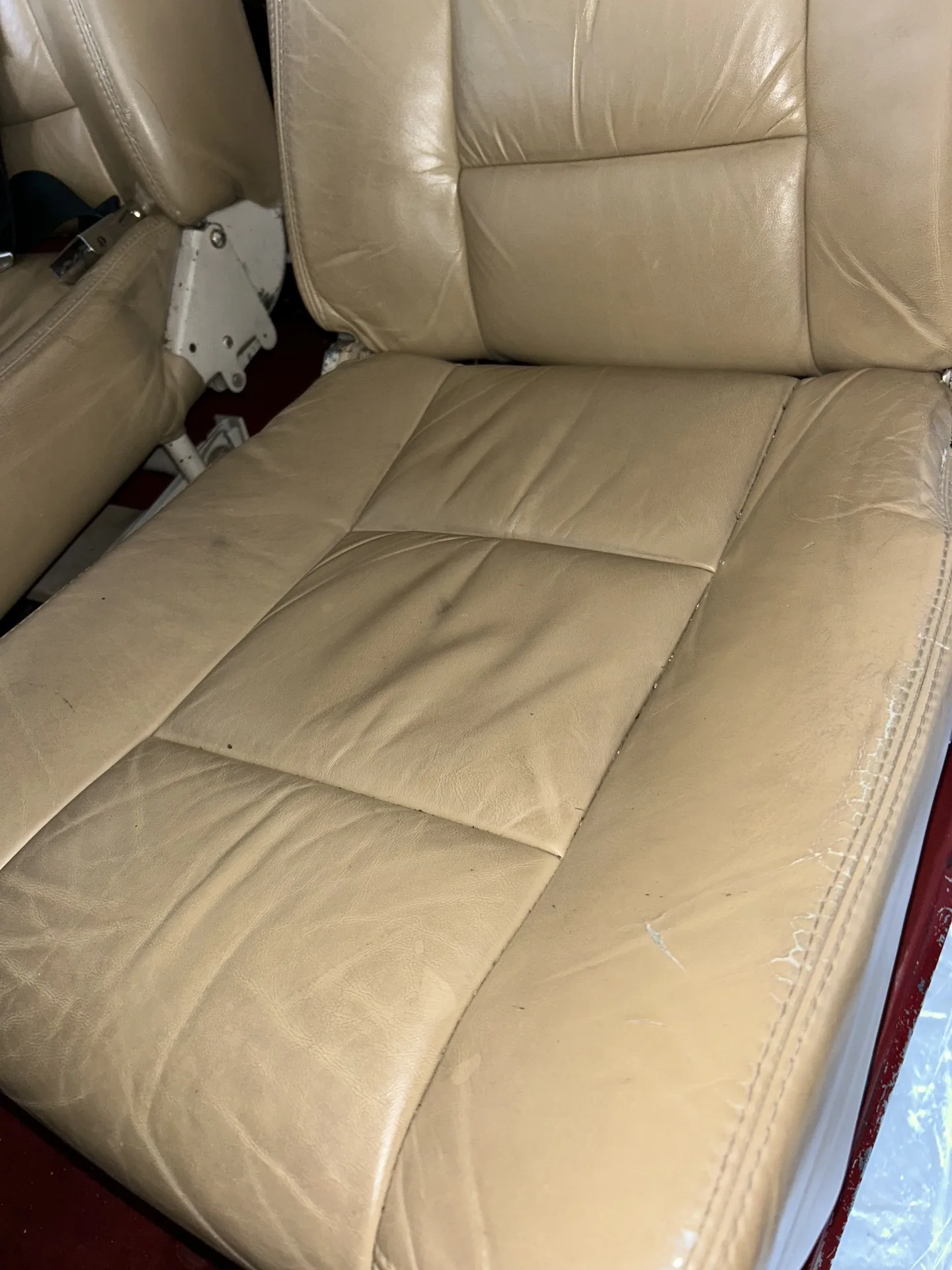
Before
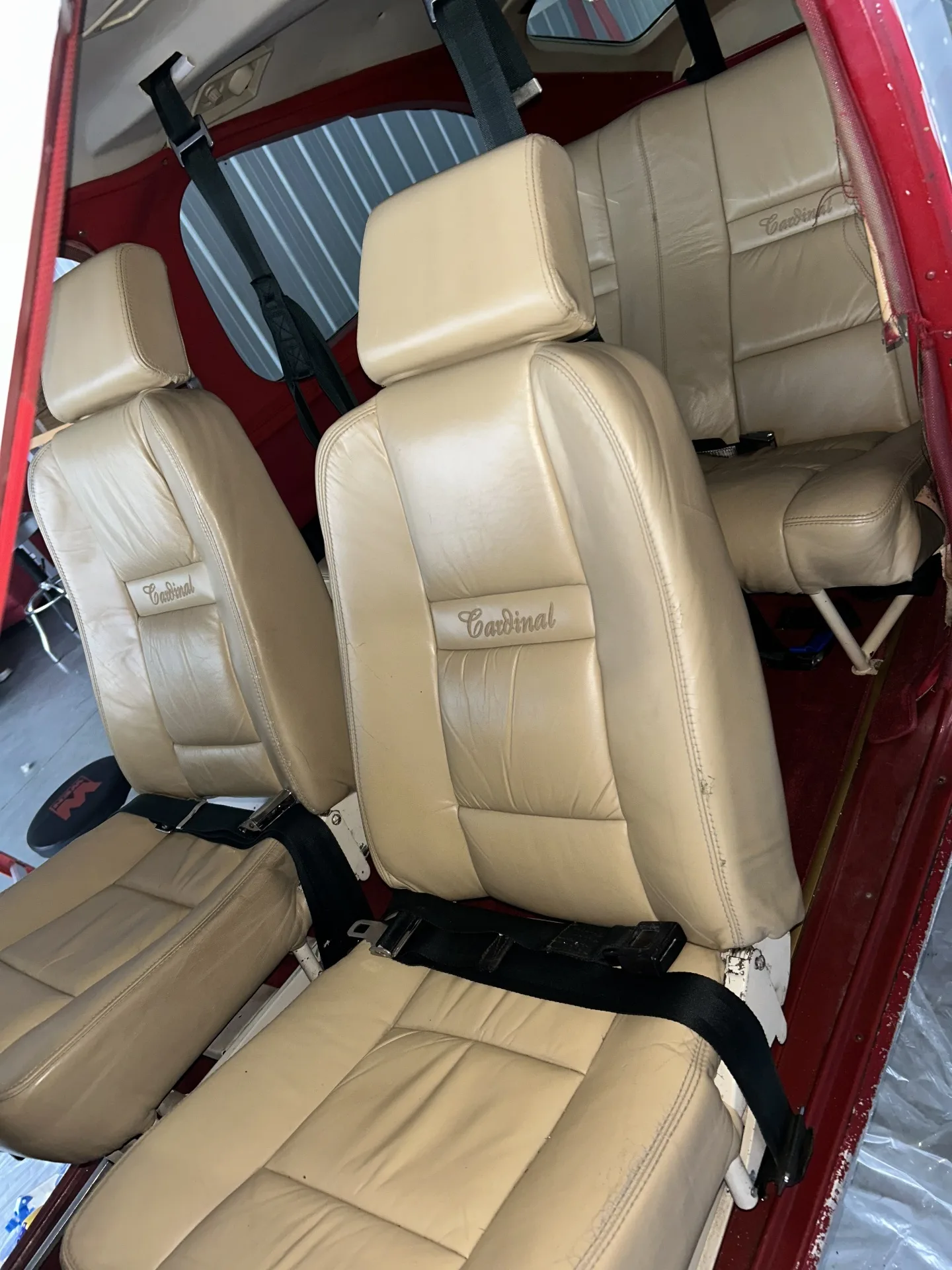
After
What It Is
Odor removal in aircraft cabins addresses contamination sources and airborne odor molecules through multiple approaches. Source removal involves cleaning or replacing contaminated materials—carpets, seat foam, insulation. Ozone treatment uses O3 gas to oxidize odor-causing molecules into odorless compounds. Enzyme treatments use biological agents to digest organic matter (food, pet accidents, biological fluids). Thermal fogging distributes deodorizing agents throughout cabin spaces. Each method addresses different contamination types.
Why It Matters
Cabin odors directly affect passenger comfort and perception of aircraft quality. For charter and corporate operations, odors can cost bookings and damage reputation. Persistent odors often indicate underlying contamination—mold, bacteria, or absorbed fluids—that may affect air quality and health. Per NBAA health guidelines, cabin air quality is an operator responsibility. Proper odor treatment improves both passenger experience and actual cabin environment quality.
Owner Checklist
- ✓Identify odor source before treatment selection
- ✓Remove all visible contamination through cleaning
- ✓Extract carpets if odor has penetrated to padding
- ✓Treat with appropriate method for contamination type
- ✓Allow adequate ventilation after chemical treatments
- ✓Test cabin air quality after treatment completion
- ✓Document odor treatment for maintenance records
- ✓Address any recurring odors at source
Time & Cost
Typical Time
Surface cleaning: 2-4 hours | Ozone treatment: 4-12 hours | Deep extraction: 4-8 hours
Cost Range
$300-800 (basic treatment) | $800-2,000 (ozone + extraction) | $2,000-5,000+ (material replacement)
Simple odor issues resolve with cleaning and enzyme treatment. Smoke and embedded odors require ozone treatment. Severe contamination (flood damage, major pet accidents) may require carpet, insulation, or seat foam replacement. Professional assessment determines appropriate scope.
Risks To Avoid
- ⚠Never mask odors with fragrance—underlying problem remains
- ⚠Don't use ozone while aircraft is occupied—respiratory hazard
- ⚠Avoid chlorine-based products—they damage aircraft interiors
- ⚠Never ignore mold odors—health hazard requiring remediation
- ⚠Don't seal contaminated materials—odors will return
- ⚠Avoid excessive moisture in treatment—mold risk increases
Airports We Serve
CleanJets connects you with professional detailing specialists at airports in Missouri, Florida, New England:
St. Louis Lambert
SUSSpirit of St. Louis
MCIKansas City Intl
MKCKC Downtown
SGFSpringfield-Branson
COUColumbia Regional
JEFJefferson City Memorial
BKGBranson Airport
CGICape Girardeau Regional
SUAWitham Field
FPRTreasure Coast Intl
VRBVero Beach Regional
DJTPalm Beach (President Donald J. Trump Intl, formerly PBI)
LNAPalm Beach County Park
BCTBoca Raton
FLLFort Lauderdale-Hollywood Intl
FXEFort Lauderdale Executive
PMPPompano Beach Airpark
OPFMiami-Opa Locka Executive
TMBMiami Executive
MIAMiami Intl
EYWKey West Intl
MTHFlorida Keys Marathon Intl
APFNaples
RSWSouthwest Florida Intl
FMYPage Field
PGDPunta Gorda
VNCVenice Municipal
SRQSarasota Bradenton Intl
MLBMelbourne Orlando Intl
TIXSpace Coast Regional
DABDaytona Beach Intl
ORLOrlando Executive
MCOOrlando Intl
SFBOrlando Sanford Intl
ISMKissimmee Gateway
HVNTweed New Haven
BEDHanscom Field
BOSBoston Logan Intl
MVYMartha's Vineyard
OWDNorwood Memorial
BVYBeverly Regional
PVDRhode Island T. F. Green Intl
BDLBradley Intl
PWMPortland Intl Jetport
MHTManchester-Boston Regional
Related Services
Looking for professional help? CleanJets connects you with experienced specialists for these services:
Ready for Professional Aircraft Detailing?
Connect with experienced specialists who understand your aircraft's specific needs.
Frequently Asked Questions
How long does ozone treatment take?
Ozone treatment typically runs 2-8 hours depending on cabin size and odor severity. After treatment, the cabin must be ventilated for 2-4 hours before occupancy—ozone is a respiratory irritant at treatment concentrations. Plan for aircraft to be out of service during treatment and ventilation.
Can smoke odor be completely removed?
Smoke odor can be significantly reduced but complete elimination from heavily smoked aircraft is challenging. Smoke permeates soft materials, insulation, and even plastics. Multiple ozone treatments combined with deep cleaning help significantly. Severe cases may require headliner, carpet, and insulation replacement.
Are enzymatic cleaners safe for aircraft interiors?
Quality enzymatic cleaners designed for professional use are generally safe for aircraft materials. Always test in an inconspicuous area first. These cleaners are particularly effective for pet urine, food spills, and biological contamination because they digest organic matter rather than just cleaning the surface.