
What is brightwork polishing and how do you avoid haze/halos?
Brightwork polishing is the specialized process of restoring aircraft metal trim—spinners, leading edges, exhaust stacks, wing tips, and decorative accents—to mirror-like finish. The technique involves progressive polishing compounds from cutting to finishing grades, followed by protective sealant. Haze and halos occur from improper technique: using too aggressive compounds, insufficient buffing, contaminated pads, or skipping polish grades. Professional-grade results require patience, proper tools, correct compound selection for the metal type, and thorough final buffing. When done right, polished brightwork transforms aircraft appearance and signals meticulous ownership.
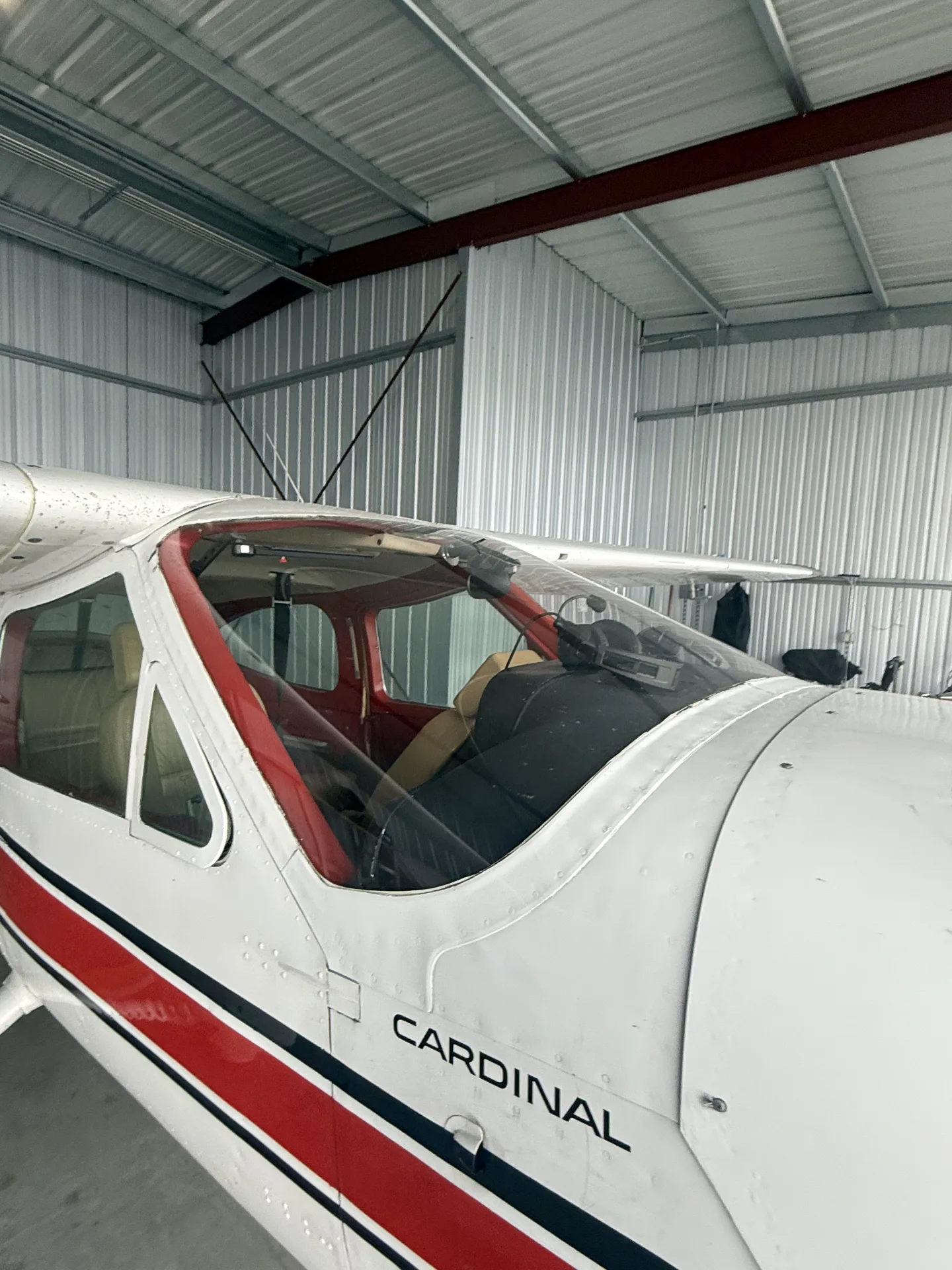
Before
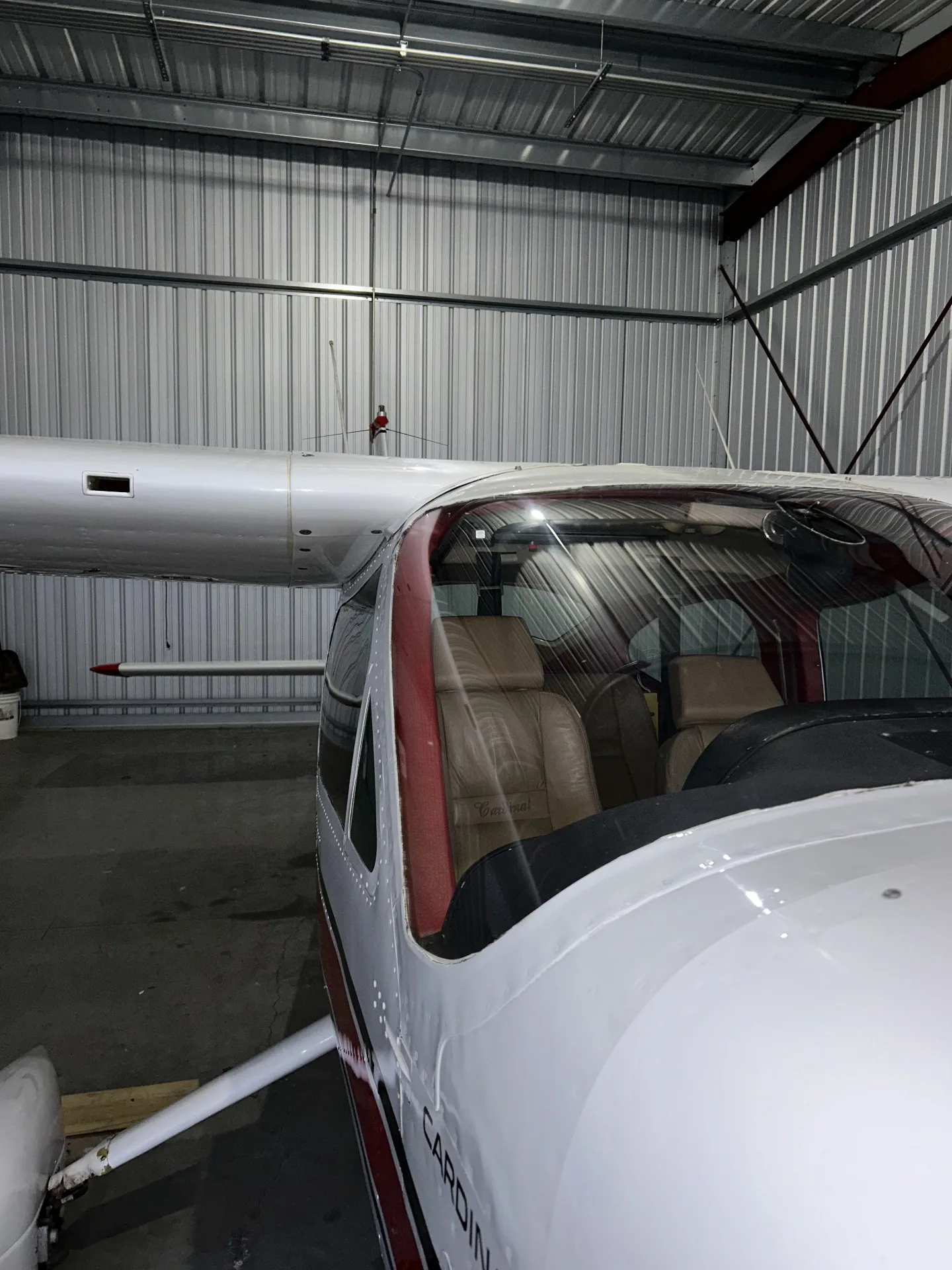
After
What It Is
Brightwork refers to all exposed metal surfaces on an aircraft that are designed to be polished rather than painted. This includes aluminum spinners, stainless steel exhaust components, chrome trim pieces, polished leading edges, and decorative metal accents. Polishing removes oxidation, water staining, and surface contamination through controlled abrasion using compounds of decreasing aggressiveness. The process typically involves: cleaning and degreasing, cutting compound application to remove heavy oxidation, medium polish to refine surface, fine polish for mirror finish, and protective sealant to maintain results.
Why It Matters
Brightwork is the jewelry of your aircraft—it catches the eye and signals attention to detail. Dull, oxidized brightwork makes even a freshly painted aircraft look neglected. Beyond aesthetics, unprotected brightwork corrodes faster. Aluminum develops pitting. Stainless loses its protective oxide layer. Exhaust stacks accumulate carbon that becomes increasingly difficult to remove. Regular professional polishing maintains both appearance and metal integrity. For aircraft sales, polished brightwork consistently impresses buyers during showings and prebuy inspections, directly supporting higher valuations.
Owner Checklist
- ✓Identify all brightwork components on your aircraft
- ✓Assess current condition—light oxidation vs. heavy corrosion
- ✓Verify metal types—different metals need different approaches
- ✓Schedule professional polishing at least annually
- ✓Apply protective sealant after every polish
- ✓Touch up between professional details with quick polish
- ✓Protect brightwork during washing—dry immediately
- ✓Document condition changes for maintenance records
Time & Cost
Typical Time
2-6 hours depending on aircraft and condition
Cost Range
$300-800 (piston) | $500-1,500 (turboprop) | $800-2,500+ (jet)
Pricing varies dramatically based on amount of brightwork and condition. Heavily oxidized or pitted surfaces require additional cutting compound passes. Some aircraft have extensive decorative brightwork that significantly increases time. Spinner polishing alone typically runs $100-300.
Risks To Avoid
- ⚠Never skip compound grades—jumping from cutting to finishing creates haze
- ⚠Don't use automotive compounds—formulations differ for aircraft metals
- ⚠Avoid polishing in direct sunlight—compounds dry and create streaking
- ⚠Never use dirty or contaminated buffing pads—scratching results
- ⚠Don't over-polish thin materials—you can polish through plating
- ⚠Skip the power tools until trained—burns and damage happen fast
Airports We Serve
CleanJets connects you with professional detailing specialists at airports in Missouri, Florida, New England:
St. Louis Lambert
SUSSpirit of St. Louis
MCIKansas City Intl
MKCKC Downtown
SGFSpringfield-Branson
COUColumbia Regional
JEFJefferson City Memorial
BKGBranson Airport
CGICape Girardeau Regional
SUAWitham Field
FPRTreasure Coast Intl
VRBVero Beach Regional
DJTPalm Beach (President Donald J. Trump Intl, formerly PBI)
LNAPalm Beach County Park
BCTBoca Raton
FLLFort Lauderdale-Hollywood Intl
FXEFort Lauderdale Executive
PMPPompano Beach Airpark
OPFMiami-Opa Locka Executive
TMBMiami Executive
MIAMiami Intl
EYWKey West Intl
MTHFlorida Keys Marathon Intl
APFNaples
RSWSouthwest Florida Intl
FMYPage Field
PGDPunta Gorda
VNCVenice Municipal
SRQSarasota Bradenton Intl
MLBMelbourne Orlando Intl
TIXSpace Coast Regional
DABDaytona Beach Intl
ORLOrlando Executive
MCOOrlando Intl
SFBOrlando Sanford Intl
ISMKissimmee Gateway
HVNTweed New Haven
BEDHanscom Field
BOSBoston Logan Intl
MVYMartha's Vineyard
OWDNorwood Memorial
BVYBeverly Regional
PVDRhode Island T. F. Green Intl
BDLBradley Intl
PWMPortland Intl Jetport
MHTManchester-Boston Regional
Related Services
Looking for professional help? CleanJets connects you with experienced specialists for these services:
Ready for Professional Aircraft Detailing?
Connect with experienced specialists who understand your aircraft's specific needs.
Frequently Asked Questions
What causes haze and halos on brightwork?
Haze results from compound residue not fully buffed out, using too aggressive a compound for the finishing stage, or contaminated buffing materials. Halos are circular marks from power buffer technique errors—dwelling too long in one spot, wrong pad pressure, or incorrect speed settings. Both are preventable with proper technique.
How often should brightwork be polished?
Most aircraft benefit from professional brightwork polishing 2-4 times per year, with owner touch-ups using spray polish between services. Frequency depends on exposure—hangar-kept aircraft need less frequent attention than ramp-parked aircraft. Coastal or industrial environments accelerate oxidation.
Can badly pitted brightwork be restored?
Light pitting can often be polished out, though deep pitting may remain visible. Severely pitted aluminum may require resurfacing or replacement. Stainless components are typically more salvageable. Professional assessment determines whether restoration or replacement is the better investment.
What protective products work best for brightwork?
Metal-specific sealants designed for aviation use provide the best protection. These create a barrier against moisture and oxidation while maintaining the polished appearance. Avoid waxes designed for paint—they may not adhere properly to metal or provide adequate protection. Reapply sealant monthly for best results.