
Environmental rules at airports: wastewater, runoff, and chemical handling.
Airport environmental rules govern aircraft washing to protect water quality and comply with EPA NPDES permits and state regulations. Key requirements: use only biodegradable, airport-approved chemicals; contain or recover wash water—never allow unrestricted runoff to storm drains; follow airport-specific wash rack or designated wash area procedures; maintain chemical MSDS/SDS on site; report spills immediately per airport protocols. Violations can result in fines ($10,000+ per incident), airport access revocation, and legal liability. FAA environmental guidance and your specific airport's SWPPP (Stormwater Pollution Prevention Plan) define local requirements.
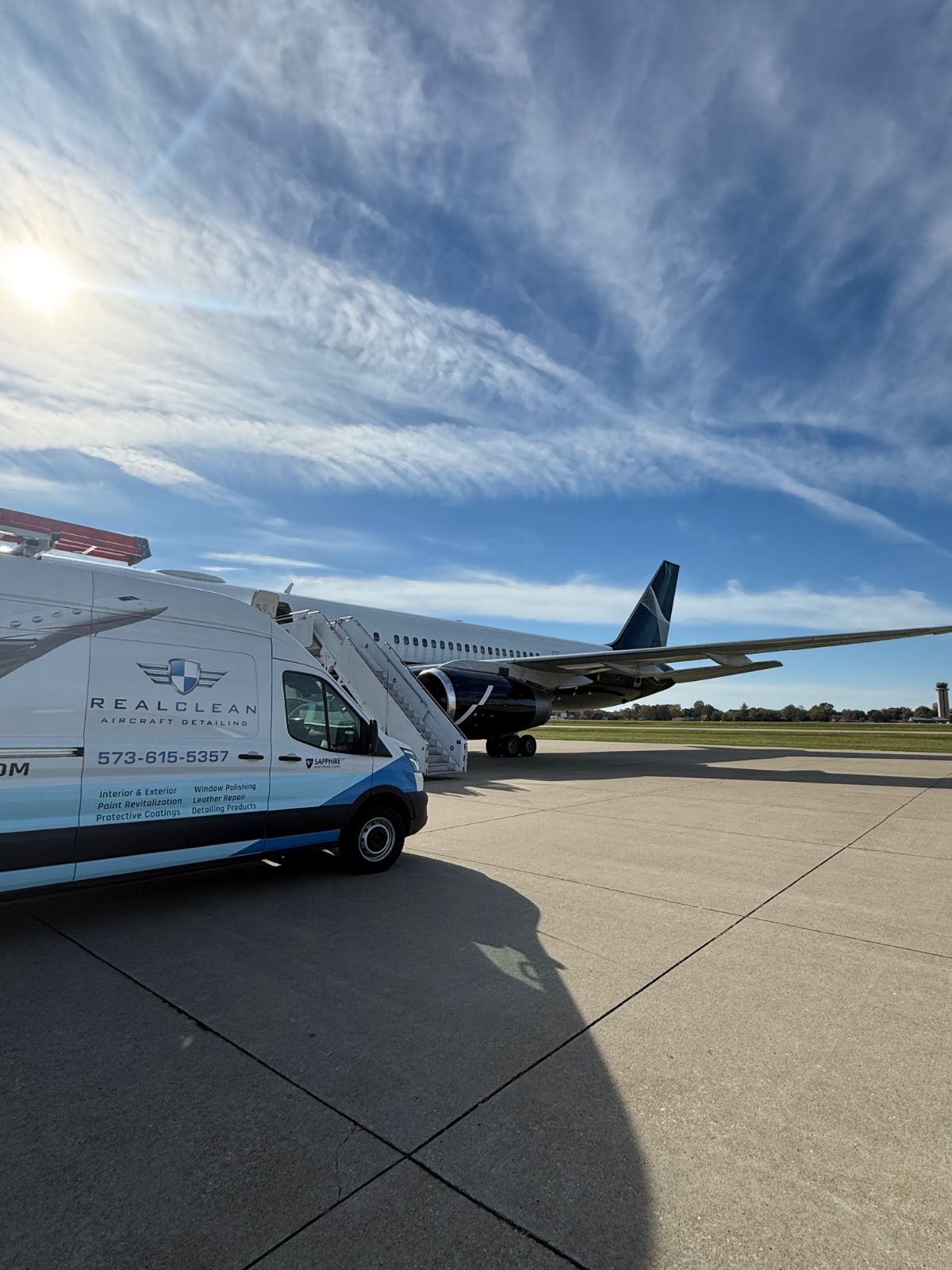
Before
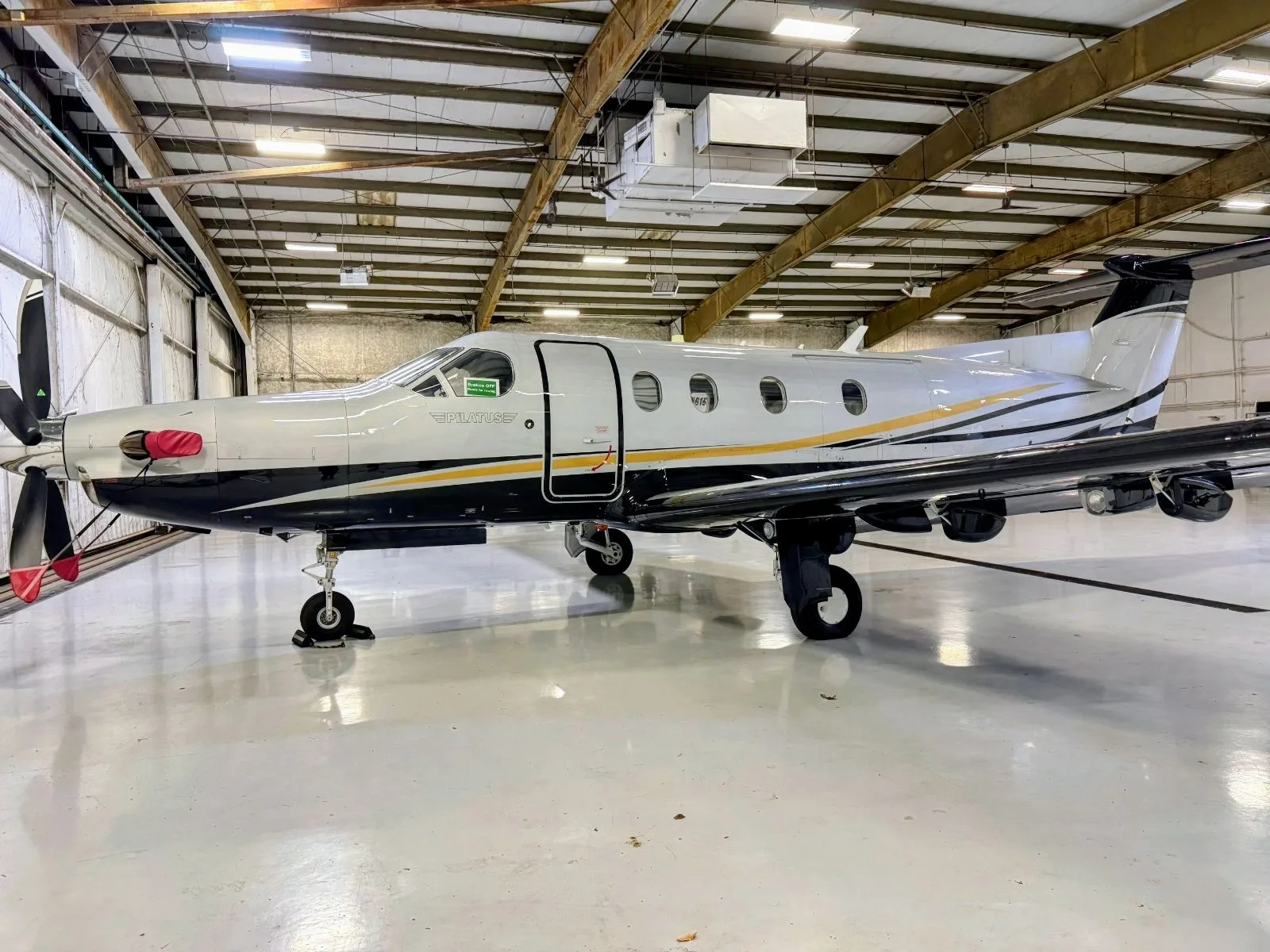
After
What It Is
Airport environmental compliance addresses the interface between aircraft washing activities and water quality protection. Storm drains at airports typically flow directly to local waterways without treatment. Wash water contains soaps, oils, metals, and other pollutants that harm aquatic ecosystems. Federal Clean Water Act, state environmental agencies, and local airport authorities create overlapping regulatory frameworks. Compliance involves approved products, containment procedures, designated wash areas, and documentation.
Why It Matters
Environmental violations carry serious consequences: significant fines (EPA can levy penalties up to $50,000+ per day for NPDES violations), airport access revocation, potential criminal liability for knowing violations, and reputational damage. Beyond compliance, responsible environmental stewardship protects communities around airports. Many airports serve as recharge zones for aquifers. Professional detailing services maintain compliance programs—asking about environmental procedures is appropriate due diligence.
Owner Checklist
- ✓Verify your airport's specific wash water requirements
- ✓Use only airport-approved, biodegradable products
- ✓Wash only in designated areas with proper containment
- ✓Never allow unrestricted wash water discharge
- ✓Maintain MSDS/SDS for all chemicals used
- ✓Know spill reporting procedures and contacts
- ✓Ensure detailing provider is compliance-trained
- ✓Document environmental compliance for liability protection
Time & Cost
Typical Time
Compliance adds 15-30 min for setup/containment
Cost Range
Compliant products similar to non-compliant | Violations: $10,000+
Operating in compliance costs marginally more time for proper procedures. Biodegradable products are competitively priced with conventional alternatives. The cost of non-compliance—fines, access loss, legal fees—far exceeds any compliance cost savings. Professional detailers build compliance into standard operations.
Risks To Avoid
- ⚠Never discharge wash water to storm drains
- ⚠Don't use non-approved chemicals regardless of effectiveness
- ⚠Avoid washing outside designated areas
- ⚠Never ignore spills—report per airport procedures
- ⚠Don't assume small operations escape regulatory notice
- ⚠Skip the 'it's just soap' attitude—regulations don't distinguish
Airports We Serve
CleanJets connects you with professional detailing specialists at airports in Missouri, Florida, New England:
St. Louis Lambert
SUSSpirit of St. Louis
MCIKansas City Intl
MKCKC Downtown
SGFSpringfield-Branson
COUColumbia Regional
JEFJefferson City Memorial
BKGBranson Airport
CGICape Girardeau Regional
SUAWitham Field
FPRTreasure Coast Intl
VRBVero Beach Regional
DJTPalm Beach (President Donald J. Trump Intl, formerly PBI)
LNAPalm Beach County Park
BCTBoca Raton
FLLFort Lauderdale-Hollywood Intl
FXEFort Lauderdale Executive
PMPPompano Beach Airpark
OPFMiami-Opa Locka Executive
TMBMiami Executive
MIAMiami Intl
EYWKey West Intl
MTHFlorida Keys Marathon Intl
APFNaples
RSWSouthwest Florida Intl
FMYPage Field
PGDPunta Gorda
VNCVenice Municipal
SRQSarasota Bradenton Intl
MLBMelbourne Orlando Intl
TIXSpace Coast Regional
DABDaytona Beach Intl
ORLOrlando Executive
MCOOrlando Intl
SFBOrlando Sanford Intl
ISMKissimmee Gateway
HVNTweed New Haven
BEDHanscom Field
BOSBoston Logan Intl
MVYMartha's Vineyard
OWDNorwood Memorial
BVYBeverly Regional
PVDRhode Island T. F. Green Intl
BDLBradley Intl
PWMPortland Intl Jetport
MHTManchester-Boston Regional
Related Services
Looking for professional help? CleanJets connects you with experienced specialists for these services:
Ready for Professional Aircraft Detailing?
Connect with experienced specialists who understand your aircraft's specific needs.
Frequently Asked Questions
What makes a cleaning product 'airport approved'?
Airport-approved products are typically biodegradable (breaks down in environment), non-toxic to aquatic life, non-flammable, non-corrosive, and free of petroleum distillates. Specific airports may have approved product lists. When in doubt, contact airport environmental officer for guidance on acceptable products.
How do I find my airport's environmental requirements?
Contact your FBO or airport management for the airport's SWPPP (Stormwater Pollution Prevention Plan) and wash water policies. Large airports have environmental departments with published guidelines. Smaller airports may defer to state environmental agency requirements. Your detailing provider should know local requirements.
What are the penalties for environmental violations?
Penalties vary by violation severity and jurisdiction. EPA can assess fines up to $50,000+ per day for NPDES permit violations. State agencies add their own penalties. Airport authorities can revoke access privileges. Beyond fines, cleanup costs and legal fees add significant expense. Criminal charges are possible for knowing violations.