
Aircraft Detailing Cost (2026): Prices by Aircraft Type
Typical market ranges, as of November 2026. Aircraft detailing costs vary by aircraft size, service scope, and condition. Piston single-engine: Wash $150-300, full detail $600-1,200. Piston twin: Wash $200-400, full detail $800-1,800. Turboprop: Wash $400-700, full detail $1,200-3,000. Light jet: Wash $500-900, full detail $2,000-4,500. Midsize jet: Wash $700-1,200, full detail $3,500-7,000. Large cabin jet: Wash $1,000-2,000, full detail $5,000-12,000+. Ceramic coating adds $1,500-5,000+ depending on size. These ranges reflect typical market rates; heavily soiled or neglected aircraft cost more. Per AOPA ownership guides, detailing represents 0.5-2% of annual operating costs.
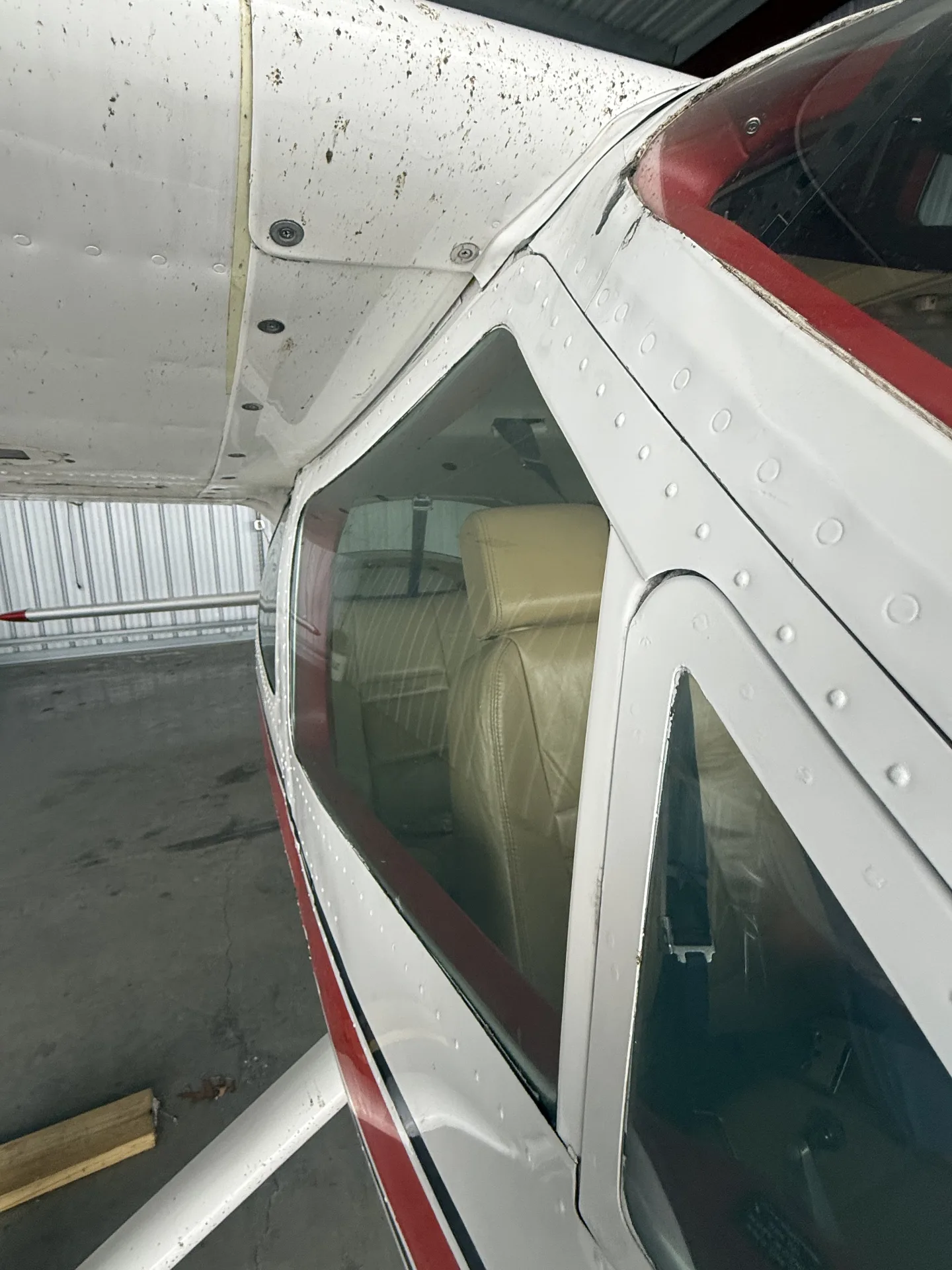
Before
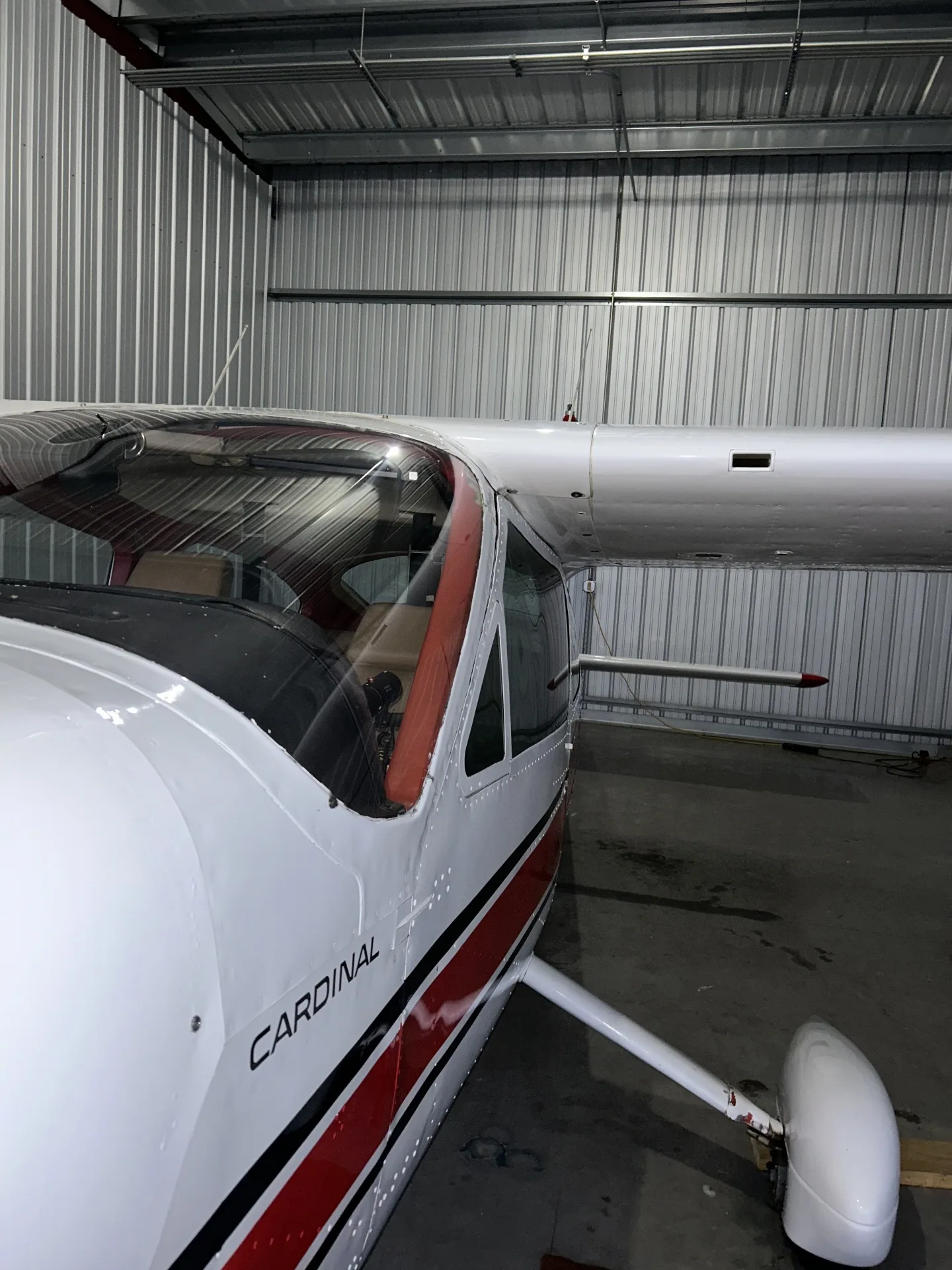
After
What It Is
Aircraft detailing pricing encompasses multiple service tiers: basic wash (exterior rinse and soap), detail wash (wash plus windows, tires, light interior), full exterior detail (wash, clay, polish, protect, brightwork), full interior detail (deep clean, condition, extract), and complete detail (comprehensive exterior and interior). Each tier reflects increased time, products, and skill level. Pricing varies regionally and by provider experience and equipment quality.
Why It Matters
Understanding pricing helps owners budget appropriately and evaluate quotes fairly. Significantly below-market pricing often indicates cut corners, inadequate insurance, or inexperienced technicians. Above-market pricing may reflect premium service quality or simply overcharging. Knowing typical ranges helps identify value and red flags. For fleet operators, per NBAA business management resources, appearance maintenance should be budgeted as a recurring operational expense rather than occasional discretionary spending.
Owner Checklist
- ✓Obtain multiple quotes for comparison
- ✓Ensure quotes specify exactly what's included
- ✓Compare apples to apples—same scope of work
- ✓Ask about insurance coverage and limitations
- ✓Verify experience with your specific aircraft type
- ✓Consider value over lowest price
- ✓Budget for regular maintenance vs. restoration pricing
- ✓Factor in convenience/scheduling capabilities
Time & Cost
Typical Time
Varies by service and aircraft type
Cost Range
See detailed breakdown in article
Budget $150-400/month for light aircraft maintenance, $400-1,000/month for turboprops, $800-2,500/month for jets with regular cleaning schedules. Annual deep detail adds $500-5,000+ depending on aircraft. Ceramic coating every 2-3 years adds $1,500-5,000. Total annual detailing budget: 0.5-2% of aircraft value.
Compare Exterior, Interior and Specialty Service Quotes
Separate exterior washing and polishing, interior deep cleaning, and protective treatments when comparing quotes. Ask whether brightwork, upholstery extraction, window care and ceramic coating are included or priced separately. The same aircraft can receive very different scopes of work under the label 'full detail'.
For cabin work, identify the upholstery materials, leather, carpets, galley and lavatory areas that need attention. For exterior work, describe oxidation, exhaust staining and the condition of any existing protective coating. Aviation-specific material care matters as much as the quoted price.
Prepare for an Accurate Estimate and Schedule
Provide the aircraft make and model, current-condition photos, airport or hangar location, requested services and available service window. Ask for an aircraft-specific written estimate that identifies exclusions and any restoration work before authorizing it.
Coordinate access with the FBO or hangar operator, including permission to work, wash-water requirements and available utilities. Confirm how long the aircraft must remain out of service, including drying or coating cure time, and schedule around the next flight rather than assuming every treatment can be completed during a short turnaround.
Risks To Avoid
- ⚠Don't choose solely on lowest price—quality varies dramatically
- ⚠Never assume all 'detail' services are equivalent
- ⚠Avoid providers without proper insurance
- ⚠Don't skip reference checks on expensive services
- ⚠Never pay full amount before service completion
- ⚠Avoid long-term contracts without service verification
Airports We Serve
CleanJets connects you with professional detailing specialists at airports in Missouri, Florida, New England:
St. Louis Lambert
SUSSpirit of St. Louis
MCIKansas City Intl
MKCKC Downtown
SGFSpringfield-Branson
COUColumbia Regional
JEFJefferson City Memorial
BKGBranson Airport
CGICape Girardeau Regional
SUAWitham Field
FPRTreasure Coast Intl
VRBVero Beach Regional
DJTPalm Beach (President Donald J. Trump Intl, formerly PBI)
LNAPalm Beach County Park
BCTBoca Raton
FLLFort Lauderdale-Hollywood Intl
FXEFort Lauderdale Executive
PMPPompano Beach Airpark
OPFMiami-Opa Locka Executive
TMBMiami Executive
MIAMiami Intl
EYWKey West Intl
MTHFlorida Keys Marathon Intl
APFNaples
RSWSouthwest Florida Intl
FMYPage Field
PGDPunta Gorda
VNCVenice Municipal
SRQSarasota Bradenton Intl
MLBMelbourne Orlando Intl
TIXSpace Coast Regional
DABDaytona Beach Intl
ORLOrlando Executive
MCOOrlando Intl
SFBOrlando Sanford Intl
ISMKissimmee Gateway
HVNTweed New Haven
BEDHanscom Field
BOSBoston Logan Intl
MVYMartha's Vineyard
OWDNorwood Memorial
BVYBeverly Regional
PVDRhode Island T. F. Green Intl
BDLBradley Intl
PWMPortland Intl Jetport
MHTManchester-Boston Regional
Related Services
Looking for professional help? CleanJets connects you with experienced specialists for these services:
Ready for Professional Aircraft Detailing?
Connect with experienced specialists who understand your aircraft's specific needs.
Frequently Asked Questions
Why is there such a wide price range for similar services?
Pricing varies by provider experience, product quality, insurance costs, equipment investment, and regional market rates. A $300 detail and $800 detail may look similar on paper but differ dramatically in execution, products, and results. Experienced providers with quality equipment and proper insurance price their expertise appropriately.
What additional costs should I expect beyond the quote?
Standard quotes typically cover specified services. Additional costs may include: travel/mobilization fees for remote locations, hangar rental if required, heavily soiled aircraft premiums (bug removal, exhaust staining), material replacement (severely damaged items), and expedited service premiums. Get written quotes specifying all potential additional charges.
How can I reduce detailing costs without sacrificing quality?
Fleet programs with scheduled recurring service offer 15-25% discounts. Maintaining aircraft between details reduces restoration work. Hangar storage reduces contamination exposure. Booking during off-peak times may offer flexibility. Combining services (wash + brightwork) is more efficient than separate visits. Regular maintenance costs less than neglect recovery.