
Can you polish or restore acrylic windows—what's the FAA-approved process?
Yes, minor scratches and haze on acrylic windows can be polished using FAA-approved methods and materials. The process involves wet sanding with progressively finer grits (800 to 2000+) followed by plastic polish compounds. However, deep scratches penetrating more than 10% of window thickness, crazing (stress cracking), or delamination require professional assessment and likely replacement. Per AC 43.13-1B, window repairs affecting structural integrity or pilot visibility require return to service by appropriately rated personnel. Always document window work in maintenance records.
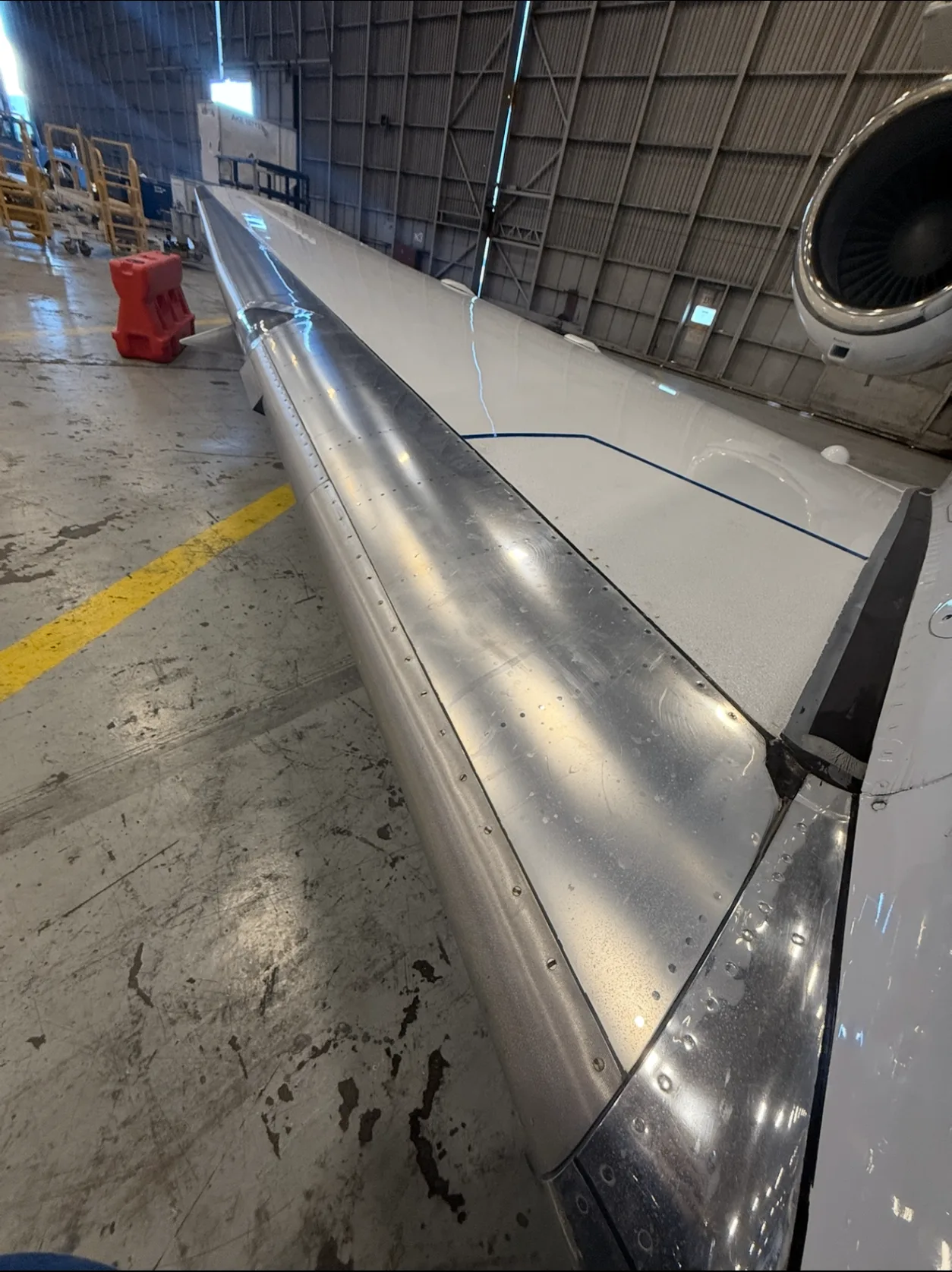
Before
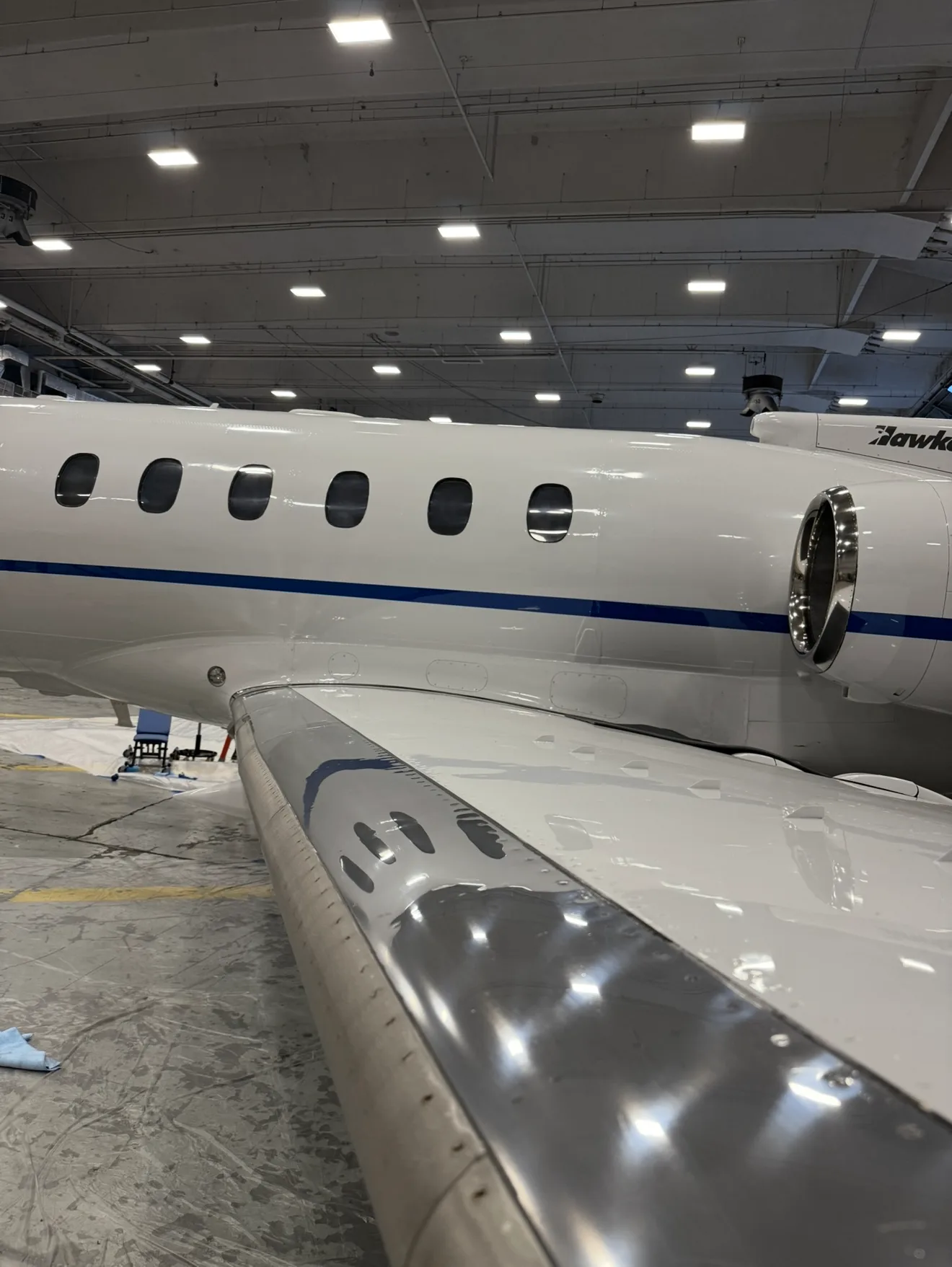
After
What It Is
Acrylic window restoration removes surface damage through controlled abrasion and polishing. Stretched acrylic used in aircraft windows is softer than glass but can be carefully refinished. The process uses wet sanding to remove scratches at a depth slightly greater than the damage, then progressively finer sanding to remove sanding marks, followed by plastic polish to restore optical clarity. Micro-Mesh and Novus are common aviation-approved products for this process.
Why It Matters
Scratched, hazed, or yellowed windows reduce pilot visibility and create safety concerns. Optical distortion from damaged acrylic causes eye strain and can hide traffic or terrain. Window replacement is expensive—$2,000-20,000+ depending on aircraft and window location. Restoration when appropriate preserves the window at a fraction of replacement cost while maintaining visibility standards. However, improper restoration can worsen damage or create airworthiness issues.
Owner Checklist
- ✓Assess scratch depth—surface scratches vs. deep gouges
- ✓Check for crazing (network of fine cracks) which cannot be polished out
- ✓Verify window thickness allows for material removal
- ✓Use only aviation-approved products and techniques
- ✓Work in shade with wet techniques to prevent heat buildup
- ✓Test restoration on least visible area first
- ✓Document restoration in aircraft maintenance records
- ✓Have A&P inspect significant restoration work
Time & Cost
Typical Time
1-4 hours per window depending on damage severity
Cost Range
DIY products: $50-150 | Professional restoration: $200-600/window | Replacement: $2,000-20,000+
Minor haze removal takes minimal time; deep scratch removal requires multiple sanding stages. Professional restoration is recommended for windshields and heavily damaged windows. Factor in that improper DIY work can necessitate expensive replacement.
Risks To Avoid
- ⚠Never dry sand or polish acrylic—heat buildup causes crazing
- ⚠Don't use automotive glass polish—formulations differ
- ⚠Avoid circular motions—use straight strokes to minimize distortion
- ⚠Never attempt to polish crazing—it worsens the damage
- ⚠Don't remove more than 10% of window thickness through restoration
- ⚠Skip the power tools unless specifically trained—damage risk is high
Airports We Serve
CleanJets connects you with professional detailing specialists at airports in Missouri, Florida, New England:
St. Louis Lambert
SUSSpirit of St. Louis
MCIKansas City Intl
MKCKC Downtown
SGFSpringfield-Branson
COUColumbia Regional
JEFJefferson City Memorial
BKGBranson Airport
CGICape Girardeau Regional
SUAWitham Field
FPRTreasure Coast Intl
VRBVero Beach Regional
DJTPalm Beach (President Donald J. Trump Intl, formerly PBI)
LNAPalm Beach County Park
BCTBoca Raton
FLLFort Lauderdale-Hollywood Intl
FXEFort Lauderdale Executive
PMPPompano Beach Airpark
OPFMiami-Opa Locka Executive
TMBMiami Executive
MIAMiami Intl
EYWKey West Intl
MTHFlorida Keys Marathon Intl
APFNaples
RSWSouthwest Florida Intl
FMYPage Field
PGDPunta Gorda
VNCVenice Municipal
SRQSarasota Bradenton Intl
MLBMelbourne Orlando Intl
TIXSpace Coast Regional
DABDaytona Beach Intl
ORLOrlando Executive
MCOOrlando Intl
SFBOrlando Sanford Intl
ISMKissimmee Gateway
HVNTweed New Haven
BEDHanscom Field
BOSBoston Logan Intl
MVYMartha's Vineyard
OWDNorwood Memorial
BVYBeverly Regional
PVDRhode Island T. F. Green Intl
BDLBradley Intl
PWMPortland Intl Jetport
MHTManchester-Boston Regional
Related Services
Looking for professional help? CleanJets connects you with experienced specialists for these services:
Ready for Professional Aircraft Detailing?
Connect with experienced specialists who understand your aircraft's specific needs.
Frequently Asked Questions
What causes crazing in acrylic windows?
Crazing results from chemical attack (ammonia, ketones, certain cleaners), UV degradation over time, mechanical stress, or improper cleaning technique. Once crazing occurs, it cannot be polished out and typically requires window replacement. Prevention through proper cleaning products is essential.
Can I restore my own aircraft windows?
Minor surface scratches can be addressed by owners using proper techniques and products. However, significant damage, windshield restoration, or work affecting visibility should be performed by professionals. Document all window work and have your A&P review significant restoration for airworthiness.
How do I prevent window scratches?
Use only clean microfiber cloths, never paper towels. Apply plastic-safe cleaner to the cloth, not the window. Remove dirt with water rinse before wiping. Store sun covers properly to prevent trapped debris. Consider protective film for high-wear areas.